Date: 2026.10.21 Click: 2
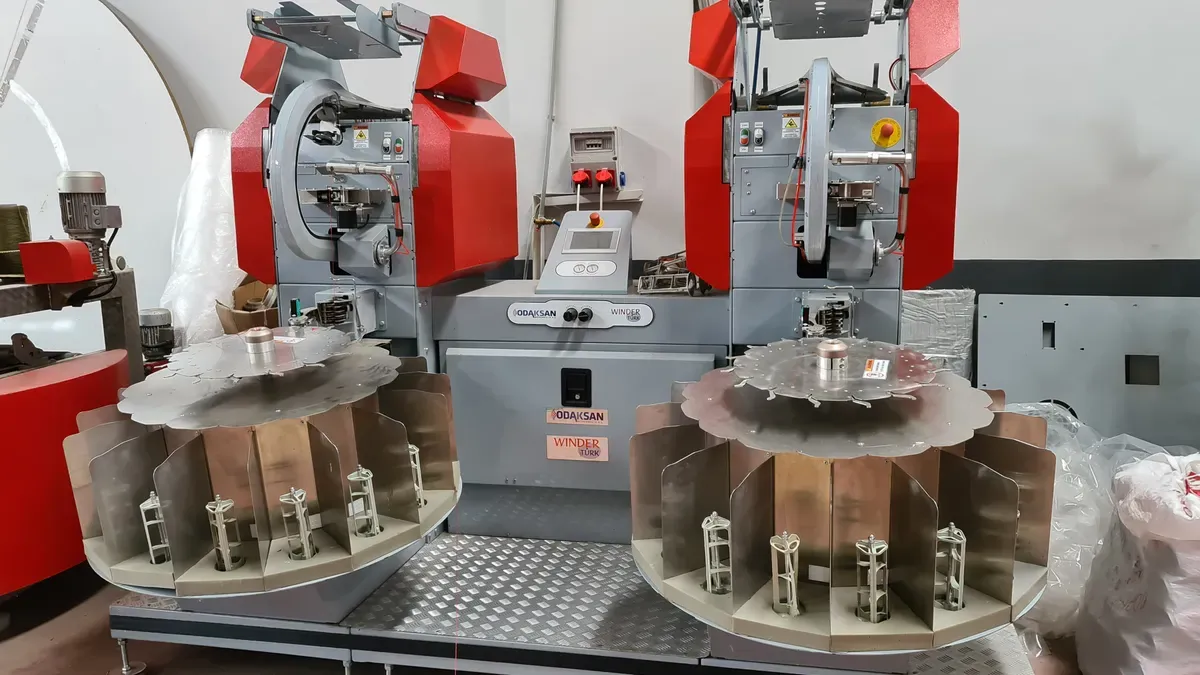
A servo rewinding machine is a rewinding system that uses servo motors and a servo drive to control tension, speed, and web alignment as material moves from a master roll to finished rolls. These systems keep each roll within tight tolerances from the first wrap to the last.
This precision matters more than ever in 2026. Production tolerances keep getting tighter, automation expectations keep rising, and buyers now expect steady roll quality across films, papers, foils, and tapes. A machine that drifts during speed changes or taper adjustments quickly shows up as waste downstream.
Readers will finish this guide with a clear picture of the main machine types, the features that most affect output quality, and a repeatable process for choosing the right machine for their line.
Key TakeawaysServo rewinding machines use servo motors and drives to control tension, speed, and alignment, which gives you precise rolls.
Closed-loop tension control fixes errors on its own, which cuts waste and makes the rolls better quality.
Pick the right machine type: turret and center-shaft for packaging, and differential and surface for narrow strips and low-tension webs.
Pick the servo motor type that fits your material: AC motors work for most industrial lines, while DC and stepper motors suit smaller or older frames.
Features like tension control, web guiding, and automation decide output quality more than any single spec does.
Use a three-step process to choose: first, define what performance you need. Next, match the application and compliance. Then, evaluate cost and support.
Make a maintenance plan that includes encoder checks, PID tuning, and spare servo motors to keep uptime high.
Servo rewinding is a smart long-term investment that keeps roll quality steady and saves money over time.
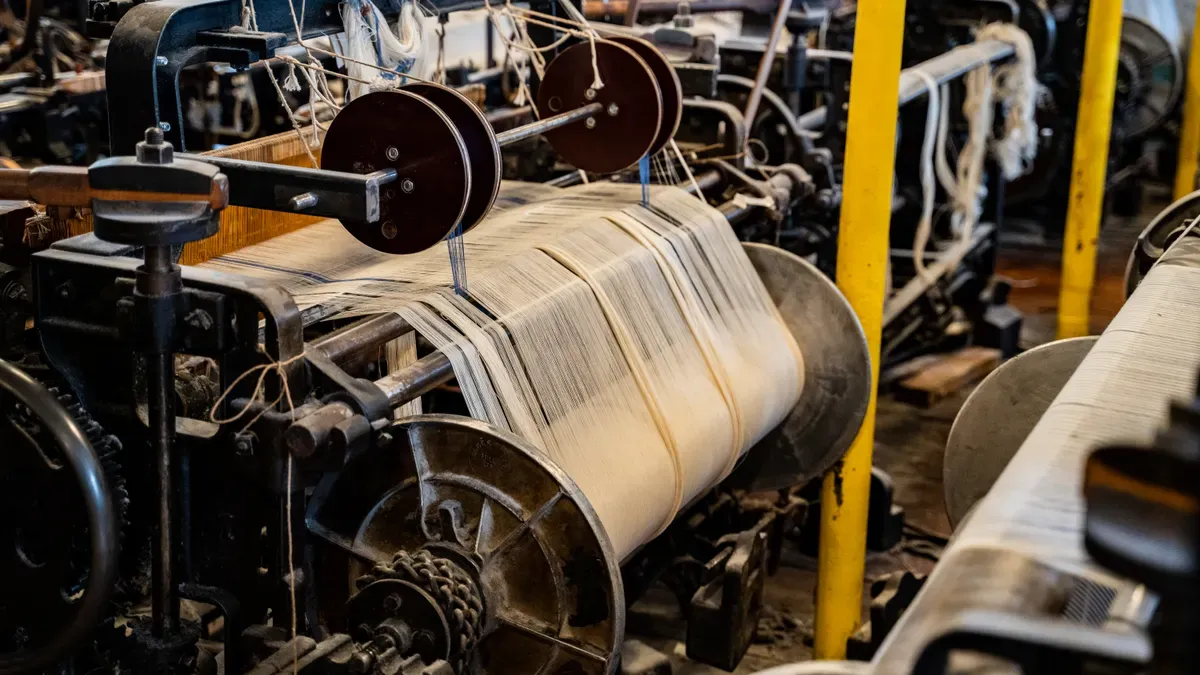
A servo rewinding machine connects servo motors to a servo drive and a controller. The drive turns incoming power into the exact current each servo motor needs. The controller sends the motion profile, which sets how fast the roll turns and how fast it speeds up.
Buyers can choose from several servo motor types. AC servo motors are the most common in industrial rewinders. DC and brushless dc servo motors work well in smaller or older frames. Stepper servo motors mix stepwise motion with feedback, so they give closed-loop accuracy at a lower cost. Servo motor construction differs by type, but every design has a stator, a rotor, and a feedback device. That feedback device is the encoder, and its resolution decides how finely the servo motor control loop can read position.
A load cell measures the actual web tension in Newtons. The controller compares that reading to the setpoint and calculates the error. A PID loop then adjusts servo motor torque within milliseconds. Good encoder selection and careful PID tuning keep this loop steady as the roll builds up.
The cycle repeats from core to full diameter. As roll diameter grows, the servo motor system lowers torque demand to hold target tension. Precise position control keeps the web path lined up during each transfer.
Traditional systems set tension from fixed parameters, such as brake pressure or motor torque. They never measure actual web tension, so accuracy depends on the preset. Servo systems close the loop with sensors and adjust parameters on their own.
|
Dimension |
Traditional rewinding |
Servo-controlled rewinding |
|---|---|---|
|
Tension accuracy |
Fixed preset settings, no live measurement |
Sensors measure tension and correct automatically |
|
Response speed |
Limited, manual adjustment |
Rapid, real-time correction |
|
Extra capability |
Simple and cost-effective |
Taper profiles, roll-diameter compensation, less operator dependence |
The difference shows up in daily operation. Closed-loop control removes web flutter and avoids the 15–20 minute re-threading delays that imprecise tension causes.
Tolerances keep getting tighter, and buyers expect automation to carry more of the load. A closed-loop control system holds target tension through speed changes and roll-diameter swings. That stability protects film, foil, paper, and tape from waste.
Throughput now means overall equipment effectiveness, not nameplate speed. Automated servo systems keep speeds above 250 m/min without indexing delays. Each servo motor adds repeatability that manual brakes cannot match. Ten-year cost comparisons favor the servo-driven machine, with net savings of $1,610,000 across waste, labor, and glue. Motion control of this quality turns a rewinding machine into a long-term production asset.
Types of Servo Rewinding MachinesMachine types are different in how they power the finished roll. Each design works best with a certain mix of materials, roll sizes, and production amounts. A buyer should match the servo motor type to both the machine type and the material.
Turret rewinders move a new core into place without stopping the line. Center-shaft rewinders turn the core directly from a motorized shaft. Both designs handle a wide range of materials, and each servo motor holds its setpoint through the core change. A turret index needs peak torque, and the servo motor must bring tension back fast.
Turret and center-shaft machines are used in packaging, label converting, tape making, and paper converting. They also slit separators and current collectors for lithium batteries and photovoltaic films, plus non-woven fabrics for hygiene products. Thin films need exact tension control, so the servo motors on these lines need fast response and fine torque resolution.
|
Material |
Notes |
|---|---|
|
Plastic films (BOPP, PET, CPP, PE, PVC) |
Thin films need exact tension control and anti-static measures |
|
Paper and paperboard |
Stiff grades may need higher slitting forces and different knife angles |
|
Laminates and metal foils |
Handled as flexible web materials |
|
Tapes and label stock |
Slit from wide master rolls into finished widths |
Differential rewinders give each slit strip its own torque control on a separate shaft. This stops telescoping, starring, and bagginess when strips differ in width. Differential friction shafts do carry a heat risk. Performance drops once shaft temperature passes 80°C, and tension can no longer match the first level. Operators who ignore this limit see loose rolls and rejected shipments. A water-cooling device that moves cooling water or oil through the shaft removes friction heat and makes shaft life longer.
Surface rewinders turn the roll through contact with a rotating drum. The design is simple and low-cost, and it suits tissue, kitchen towels, and other low-tension, large-diameter products. Center-surface hybrids add a driven shaft plus a nip roller. They handle a broad GSM range, usually 40 gsm newsprint to 350 gsm board, without changeover. A servo motor on the center shaft supplies the torque, and the nip roller sets roll hardness. Surface rewinders depend on drum contact, so the servo motors on the main line carry the tension duty.
Shaftless models load rolls without a mandrel, which cuts changeover time on heavy rolls. Specialty builds add chillers, static control, or cleanroom enclosures. Cleanroom builds suit medical and electronics webs where dust control matters. Large finished-roll diameters favor surface winding. Narrow finished rolls favor precision slitting with differential winding. Shaftless chucks pair well with servo motors that hold torque at low speed.
The servo motor types available today cover very different duty profiles. A servo rewinding machine pairs each servo motor with a drive sized for its load. The servo motor types on the market differ in cost, feedback quality, and overload capacity. A mismatch here shows up as drift, waste, or short motor life. AC servo motors dominate industrial rewinders. DC and brushless dc servo motors fit smaller or older frames. Stepper servo motors combine stepwise motion with feedback for closed-loop accuracy at lower cost. Every servo motor must deliver enough torque at line speed, and its accuracy must match the material.
Film lines run thin webs at high speed. The servo motors here need fast response and fine torque resolution. AC servo motors with high-resolution encoders hold tension through speed changes. Two servo motors often share the work: one drives the rewind shaft, and one drives the lay-on roller. Each servo motor reports position back to the controller. A servo motor with a poorly tuned loop will let the web flutter, and that flutter shows up as wrinkles in the finished roll. High-speed starts and stops test the loop tuning more than steady running does. Anti-static measures protect the web.
Paper and board need higher torque from each servo motor. Label stock and tape need clean slitting and steady tension at the core. Differential rewinders with individual torque control keep narrow strips flat. A servo motor with low torque ripple protects delicate label liners. Converters who run several substrates value servo motors that switch recipes quickly. Tape converters often run servo motors at constant tension all shift. A well-matched servo motor keeps roll quality steady across the shift.
Key Features and Specifications
Tension control begins with the control mode. Velocity control mode keeps a set turning speed, and it works for winding and unwinding as roll diameter changes. Torque control mode adjusts motor output torque directly, so speed follows the load. Converters use torque mode for tension control, setting torque in proportion to the wanted tension no matter the speed.
A closed-loop control system reads a load cell and corrects the servo motors in real time. Taper settings lower tension as the roll builds, which stops crushed cores and blocked rolls. The servo motor system recalculates the motion profile at every diameter step.
Web guiding keeps the web on centerline before it enters the rewind. The HCFA motion controller and servo platform handle automatic web-guide correction, and they add alarms for missing film, web break, and paper-core shortage. Stable web control comes from hydraulic loading, braking, web guiding, tension calculation, and servo-driven transport for wide webs.
Alignment accuracy depends on the servo motors that drive the guide rolls. A slow correction lets the web drift, and drift shows up as telescoped rolls. Fast correction from the servo motor keeps edges clean.
Modern machines reach web speeds up to 2500 ft/min. Roll diameters run from 10 in to 72 in, and core sizes run from 1 in to 12 in. Tension ranges span 0.05 pli to 6.0 pli. These figures set the limits for servo motor sizing.
Acceleration matters as much as top speed. Each servo motor must supply peak torque during a ramp and continuous torque during steady running. A servo motor sized only for top speed will stall on fast starts.
Turret winders allow continuous operation through automatic transfer and splicing. Zero-speed and flying splice options exist, with tapeless or taped transfer. Automation levels run from manual to semi-automatic to fully automated, and features include automatic roll discharge, edge guiding, and programmable web length counters.
Recipe management stores settings for each job. One-key start and recipe-based production settings cut changeover time. Operators recall a recipe, and the servo drive applies the stored tension and speed values.
The HMI shows tension, speed, and roll diameter in one view. Clear screens help operators spot a fault before waste builds. Data logging records each run, which supports troubleshooting and maintenance planning.
Control interface compatibility decides how well the servo rewinding machine fits the line. Analog signals are simple but less precise. Pulse-and-direction suits stepper-replacement setups. Servo networks such as EtherCAT, CANopen, and PROFINET give high-speed synchronized communication and better diagnostics.
Drive-motor communication must match the PLC and the motor. Incompatible systems need converters, which add cost. Shielding and grounding prevent electromagnetic interference that causes erratic servo performance. Motion control across the whole line depends on this fit.
How to Select a Servo Rewinding MachineA good choice starts with facts, not with a catalog page. Buyers who first define their needs, then match the application and compliance, and then weigh cost and support avoid costly rework later. The three steps below form a repeatable checklist for any production line.
The first step gathers the numbers that drive every later decision. Servo motor selection depends on speed, torque, motor accuracy, and the specific industrial application. A buyer should collect these details before comparing any machine.
|
Parameter Category |
Parameters to Define |
|---|---|
|
Material |
Material sample, construction, thickness, winding direction |
|
Width |
Parent roll width, slit widths (minimum slit width) |
|
Speed |
Target and normal production speed for the approved material, quality tolerance |
|
Roll Specs |
Parent roll diameter, weight, core; rewind core, finished-roll diameter, weight, hardness, telescoping tolerance; upper and lower roll allocation |
|
Site and Other |
Voltage, compressed air, floor-space limits, acceptance criteria |
A practical checklist covers seven points. First, write down the material name, a physical sample, thickness or grammage, and whether the web is laminated, adhesive, coated, or slippery. Second, note the largest parent-roll width, diameter, weight, and core inside diameter. Third, list the smallest finished-roll width, largest finished-roll diameter, core size, roll weight, and how many rolls wind at once. Fourth, state whether the job needs rewinding only or also slitting, and if slitting, the knife method and edge quality wanted. Fifth, set the target production speed and the quality standard for accepting finished rolls. Sixth, specify the unwind type (shafted or hydraulic shaftless), the rewind shaft type, and the unloading method. Seventh, confirm factory voltage, frequency, phases, compressed-air conditions, installation, training, and factory acceptance test requirements.
These inputs size the servo motors. Each servo motor must supply the required torque during acceleration and continuous torque during steady running. A machine sized only for top speed will fall short on fast starts. The required motion profile also sets encoder resolution needs, because a coarse encoder cannot hold fine tension at low speed.
The machine must meet the safety rules of the market where it will run. Buyers should confirm that the builder designs to recognized standards such as CE marking for Europe or UL listing for North America, and that guarding, emergency stops, and interlocks meet local rules. A servo drive with certified safe-torque-off functions makes compliance easier. Regional voltage and frequency also belong in this check, since they affect the servo system and every servo motor on the line.
Some webs demand more than a standard frame. Medical and electronics webs need cleanroom enclosures with dust control. Film lines need static control to stop cling and dust attraction. Solvent-coated webs may need explosion-rated hardware. Each specialty requirement changes the servo motor choice, because sealed motors and special cabling add cost and lead time. Buyers should state these needs early, not after the order.
Purchase price is only one line in the total cost picture. Uptime matters more over the machine's life. A buyer should ask about mean time between failures, spare-part lead times, and how quickly a technician can reach the site. Remote diagnostics on the servo drive cut downtime, because the builder can read fault logs without a visit. Service access in the buyer's region deserves a direct question during quoting.
Operators need training on recipes, taper settings, and fault recovery. The builder should supply a spare-parts list with recommended stock items, including at least one servo motor and drive module for critical axes. An upgrade path matters too. A controller that accepts new motion control software and additional axes protects the investment. Buyers should confirm that the servo performance of today's machine can grow with tomorrow's line speed.
A repeatable checklist ties the steps together: define performance, match application and compliance, then weigh cost and support. Buyers who follow it compare machines on equal terms and choose with confidence.
Machine types are the starting point. Turret and center-shaft rewinders work well for packaging and converting jobs. Differential and surface designs fit narrow strips and low-tension webs. Each servo motor type matches a certain kind of work. Tension control, web guiding, speed, and automation features decide output quality more than any single spec.
The three-step process gives readers a tool they can use again. Define what the machine needs to do, match the application and compliance, then weigh cost and support. This checklist lets buyers compare machines fairly and works for any production line.
Servo rewinding pays off for buyers who plan ahead. A well-matched system keeps roll quality steady for years, and that makes it a smart long-term investment in 2026.
FAQIt turns the rewind shaft and keeps the target tension steady. The drive sends current to the servo motor, and the controller sends the motion profile. Feedback from the encoder lets the loop fix errors in milliseconds.
A brake-based unit runs on fixed presets and never measures web tension. A servo system reads a load cell and corrects itself in real time. That closed loop stops web flutter and shortens re-threading delays.
AC servo motors are the most common in industrial rewinders. DC and brushless dc units fit smaller or older frames. Stepper servo motors mix stepwise motion with feedback, so they give closed-loop accuracy at lower cost.
The completed guide gives a tension range of 0.05 pli to 6.0 pli. Roll diameters run from 10 in to 72 in, and core sizes run from 1 in to 12 in. Buyers should check these limits against their own material.
Differential friction shafts lose performance once shaft temperature passes 80°C. Tension then drifts from the first level, and loose rolls appear. A water-cooling device that moves cooling water or oil through the shaft removes friction heat.
The guide gives web speeds up to 2500 ft/min, with automated servo systems holding speeds above 250 m/min without indexing delays. Acceleration matters as much as top speed, because each servo motor must supply peak torque during a ramp.
Plan for encoder checks, PID tuning reviews, and load-cell calibration. Keep at least one servo motor and drive module in stock for critical axes. Remote diagnostics help with servo motor troubleshooting, since the builder can read fault logs without a site visit.
EtherCAT, CANopen, and PROFINET give high-speed synchronized communication and better diagnostics. Analog signals are simple but less precise. The drive-motor link must match the PLC, and shielding and grounding prevent interference that causes erratic performance.
"4mmx2mm Disc Magnet" from S****** received 4 quotation(s)