Date: 2026.07.21 Click: 1
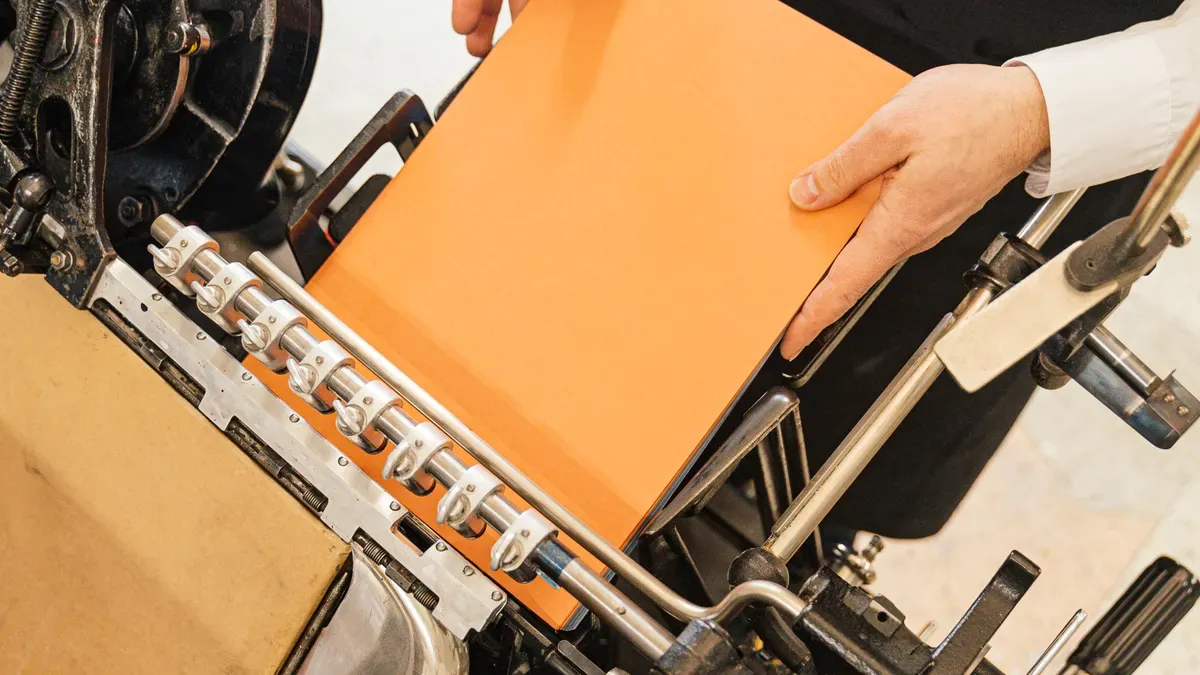
The most important factor when you choose a used die cutting machine is how well it matches your crafting needs. Picking the best die cutting machine can make or break your creative projects. The right fit helps you enjoy crafting and get better results every time. Take a moment to think about what you want to create and what features matter most to you. You deserve a machine that supports your ideas and brings your crafts to life!
Key TakeawaysThink about what you like to make before picking a die cutting machine. Look at the projects you enjoy and the materials you use.
Make sure the machine works with different dies and materials. A machine that can do more lets you be more creative.
Check the machine’s shape and what comes with it when buying used. Make sure it has all the parts you need for it to work well.
Choose between a manual or electronic machine based on how you craft. Manual machines are easier to use, but electronic ones let you do more designs.
Use a checklist to look at features and prices. This helps you choose wisely and find the best machine for your projects.
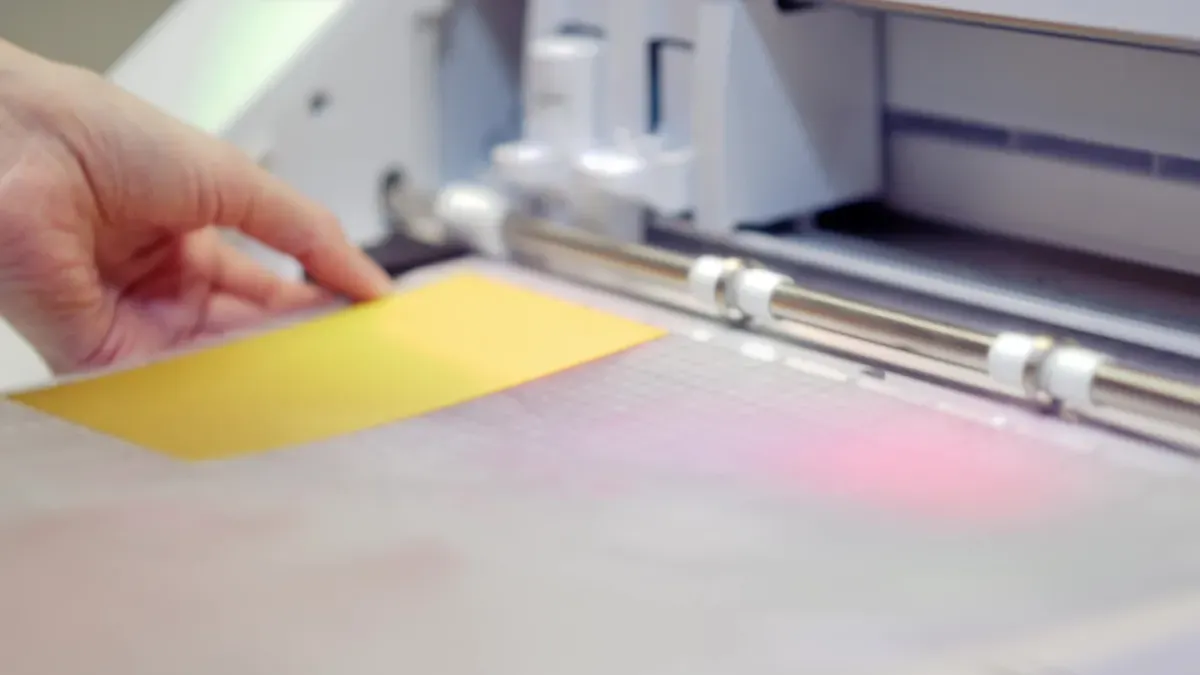
Before you pick a used die cutting machine, take a moment to think about your craft habits. What do you love to make? Where do you usually craft? How often do you sit down for a creative session? These questions help you find the right fit for your projects and your space.
Every crafter has a favorite project. Maybe you love making cards, scrapbooks, or even fabric crafts. Each type of project needs different features from a die cutting machine. Check out this table to see what matters most for different projects:
|
Feature |
Importance |
Statistic/Insight |
|---|---|---|
|
Versatility |
Handles paper, fabric, leather, and more |
70% of crafters want machines for many types of media |
|
Cutting Precision |
Gives you clean, even cuts every time |
65% of users feel happier with machines that cut the same way each time |
|
Ease of Use |
Simple controls help you get started quickly |
55% of beginners find complex machines hard to use |
You also need to think about the materials you use. Here are a few things to keep in mind:
Thicker materials like cardboard need a strong machine with more cutting power.
Delicate papers work best with standard blades.
Different materials need different pressure and blade types.
Many crafters (63%) have trouble when the pressure setting is wrong.
Ask yourself how often you plan to use your die cutting machine. If you craft every week, you might want a sturdy machine that can handle lots of projects. If you only craft for special occasions, a simpler model could work. Think about your routine and pick an option that matches your pace.
Do you craft at home, or do you like to take your supplies to classes or friends’ houses? If you move your machine around, look for a lightweight type that is easy to carry. Some machines fold up or have handles, which makes travel simple. If you have a small space, check the size before you buy. You want a machine that fits your storage area and your lifestyle.
Cutting Machine Features to CompareTip: Write down your top three must-haves before you start shopping. This helps you stay focused and find the best match for your creative needs.
When you look for a used die cutting machine, make sure it fits what you need. Let’s talk about the most important things to check. This will help you find the best die cutting machine for beginners or people with more experience.
Die compatibility is very important. You want a machine that works with lots of dies and materials. This means you can do more projects. Some machines only fit certain dies. That can stop you from being creative. Always check the size of the dies and the cutting area before you buy. Here’s a quick chart to show how compatibility changes what you can make:
|
Factor |
Impact on Versatility |
|---|---|
|
Tooling Compatibility |
Maximizes machine capabilities and flexibility |
|
Production Formats |
Affects the range of materials and applications handled |
|
Die Cutting Efficiency |
Directly impacts material waste and production downtime |
If you want to try new crafts, pick a machine that works with many dies and materials.
You have two main choices: manual die cutting machine or electronic. Each one has good and bad points.
Manual die cutting machine: Costs less at first. Good for embossing and making detailed cuts. You might spend more money on dies and pads later. Some materials, like aluminum cans, are hard to cut.
Electronic: Costs more at the start. You can change digital files and cut cool shapes. Some electronic machines do not cut tiny details well. Using digital files for business can be tricky.
Think about what matters most to you—easy use or more design choices.
If you are just starting, you want a machine that is easy to use. Look for these things:
|
Feature |
Description |
|---|---|
|
Complete Starter Kit |
Everything you need to start crafting right away |
|
Portable and Lightweight Design |
Easy to move and store |
|
Vacuum Seal Feature |
Keeps the machine steady on smooth surfaces |
|
User-Friendly Design |
Simple controls and clear instructions |
A good die cutting machine for beginners should be simple and come with helpful tools. You want to start crafting without any trouble.
Do you craft at home or take your supplies with you? Some machines are heavy. Others are light and easy to carry. If you need to move your machine, pick a portable one. Many digital die cutting machine models fold up or have handles. This makes them easy to store and take with you.
Check Used Die Cutting MachineTip: Always check the size and weight before you buy. A portable machine lets you craft anywhere you want.
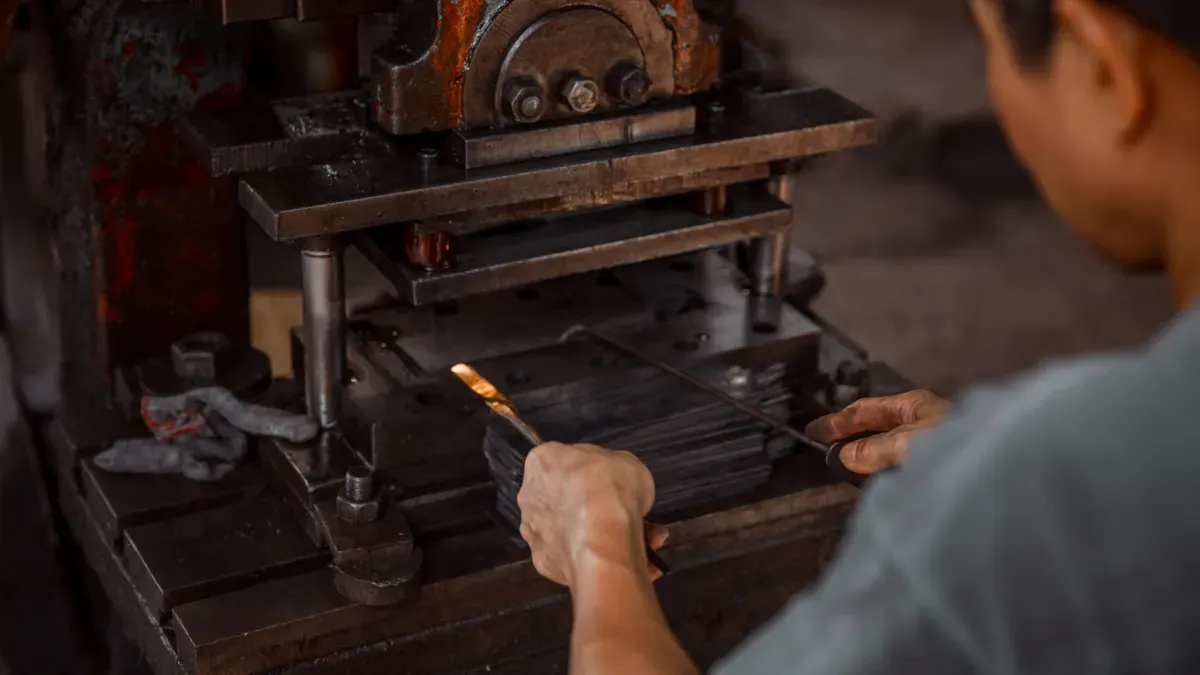
When you shop for a used die cutting machine, you want to make sure you get the best value. Let’s break down what you should look for before you buy.
Start by checking the condition of the used die cutting machine. Look for any signs of heavy wear, cracks, or missing parts. Ask the seller if the machine comes with all the original die cutting accessories. You need the right plates, mats, and die cutting tools to use the machine properly. If you see scratches or dents, ask if they affect how the machine works. Missing die cutting accessories can cost extra money later.
Tip: Always ask for clear photos of the machine and all included die cutting accessories before you decide.
Brand reputation matters a lot when you buy a used die cutting machine. Well-known brands usually make reliable machines that last longer. When a brand has a good reputation, it means many crafters trust their products. Customer reviews give you real stories about how the machine works over time. Positive reviews can make you feel confident about your choice. Negative reviews can warn you about problems, like parts breaking or poor customer service. Take time to read both good and bad reviews before you buy.
You want a great deal, but don’t just pick the cheapest option. Compare prices for the same model from different sellers. Check if the price includes all the die cutting accessories and die cutting tools you need. Sometimes a low price means you’ll have to buy extra parts later. Make sure you know what’s included so you don’t get surprised by extra costs.
Every used die cutting machine needs the right plates and die cutting accessories to work well. Different machines use different die types and sizes. If you use the wrong plates, your die cutting projects might not turn out right. Here’s a quick table to help you remember what to check:
|
Key Factor |
Importance |
|---|---|
|
Requirements for Die Type |
Different machines need specific die types and sizes. Always check compatibility before you buy. |
If you get the correct plates and die cutting accessories, your machine will work smoothly and your crafts will look great.
How to Choose the Best Die Cutting MachineYou want to feel sure when picking the best die cutting machine for your crafts. Use this checklist to help you compare machines and make a smart choice:
List Your Craft Goals
Write down what you want to make. Do you plan to cut paper, foam, or fabric? Think about the size and type of projects you enjoy.
Check Material Compatibility
Make sure the machine can handle your favorite materials. Some machines work better with thick foam or plastic. Others are best for thin paper.
Review Cutting Power and Accuracy
Look for a machine that cuts clean lines. If you need to cut thick materials, check the cutting force.
Decide on Manual or Electronic
Choose between a manual die cutting machine or an electronic model. Manual machines are simple and good for hands-on crafters. Electronic machines let you use digital designs and offer more choices.
Compare Size and Portability
Think about where you will use your machine. If you travel or have a small space, pick a portable model.
Check for Beginner-Friendly Features
If you want the best die cutting machine for beginners, look for easy controls, clear instructions, and a starter kit.
Assess Brand Reputation and Reviews
Read what other crafters say. Trusted brands often make the best die cutting machine for beginners and experts.
Inspect Condition and Accessories
Make sure the used machine comes with all the die cutting tools, plates, and mats you need.
Review Warranty and Support
Some sellers offer support or a short warranty. This can help if you have questions or problems.
Compare Prices and Value
Look at the price and what comes with the machine. Sometimes a higher price means more accessories or better condition.
Here’s a table that matches expert advice with your checklist:
|
Key Decision Factors |
Description |
|---|---|
|
Material type |
film, foam, rubber, plastic sheet, composite |
|
Material thickness and density |
Assessing the thickness and density of materials |
|
Required cutting force |
Tonnage needed for effective cutting |
|
Cutting accuracy requirements |
Precision needed for the cutting process |
|
Production volume |
Amount of production expected |
|
Automation level |
Degree of automation and labor availability |
|
Future scalability |
Potential for process integration and growth |
Tip: Print this checklist and keep it with you when you shop for the best die cutting machine.
Before you buy, ask the seller some important questions. This helps you avoid surprises and get the best die cutting machine for your needs.
How old is the machine?
Has the machine had any repairs or upgrades?
Does it come with all the original die cutting tools and accessories?
Are there any problems with how it works?
Can you show proof of purchase or maintenance records?
Is there any warranty or after-sales support left?
What is the return policy if the machine does not work for you?
You should also ask for these documents:
Certificates of conformity
Manuals
Maintenance records
Purchase invoices
Documents showing any changes or repairs
Here’s a table showing what kind of support you might get:
|
Feature |
Description |
|---|---|
|
24/7 technical support |
Continuous help for any problems |
|
Complete installation support |
Help with setting up the machine |
|
Full training |
Training from setup to use |
|
1-year warranty |
Covers defects (not normal wear) |
Note: Always ask for clear photos and documents before you pay.
You have many options when you want to buy the best die cutting machine. Here are some places to look:
Online Marketplaces
Try websites like eBay, Facebook Marketplace, or Craigslist. You can find many machines, but always check the seller’s ratings and reviews.
Craft Stores and Local Shops
Some craft stores sell used machines or let you trade in your old one. You can see the machine in person before you buy.
Specialty Retailers
Some online stores, like USCutter, sell used machines and offer return policies. For example, USCutter gives you 30 days to return a machine, but you may pay a restocking fee. You must get return approval before sending anything back. If you buy through Amazon, you must use their return labels.
|
Aspect |
USCutter Policy |
|---|---|
|
Return Period |
30 days from the date of receipt. |
|
Restocking Fee |
25% for equipment, 20% for unopened/unused consumables. |
|
Special Order Items |
Not eligible for return unless defective. |
|
Software |
Not eligible for return. |
|
Warranty Coverage |
Does not cover misuse or normal wear. |
|
Return Authorization |
Required before shipping back items. |
|
Return Shipping Costs |
Customer pays for return shipping. |
|
Items Purchased via Amazon |
Must be returned through Amazon with their labels. |
Crafting Groups and Forums
Join online groups or forums for crafters. Members often sell or trade machines. You can ask questions and get advice from people who use the best die cutting machine for beginners.
Tip: Always check the return policy and warranty before you buy. This protects you if the machine does not work as expected.
You can find the best die cutting machine for your projects if you follow these steps. Take your time, ask questions, and compare your options. You will feel proud when you find the perfect fit for your creative journey.
You can find the best used die cutting machine by following a few simple steps.
Make sure your machine handles different materials and thicknesses.
Check if it supports the cardstock thickness you need for clean cuts.
Look for multifunctionality so you can try new projects.
Decide the maximum width of dies or embossing folders you want to use.
Think about using steel rule dies for thicker materials.
Compare prices and features to match your needs.
Trust your checklist and focus on what matters most to you. Your perfect machine is out there—go create something amazing! ✨
FAQStart by looking at the machine’s condition. Check for cracks, missing parts, or heavy wear. Ask for clear photos. Make sure all the plates and accessories come with it. This helps you avoid surprises later.
No, not every die fits every machine. Always check the machine’s die compatibility before you buy. Some machines only work with certain brands or sizes. If you want more options, pick a machine that supports many die types.
Wipe your machine with a soft, dry cloth after each use. Remove scraps and dust from the cutting area. Store it in a dry place. If you use cutting mats, flip them often to keep them flat.
You can find replacement parts online. Try the brand’s website, craft stores, or online marketplaces like eBay. Always check the model number before you order. If you need help, ask in crafting forums or groups.
"4mmx2mm Disc Magnet" from S****** received 4 quotation(s)