Date: 2026.07.20 Click: 2
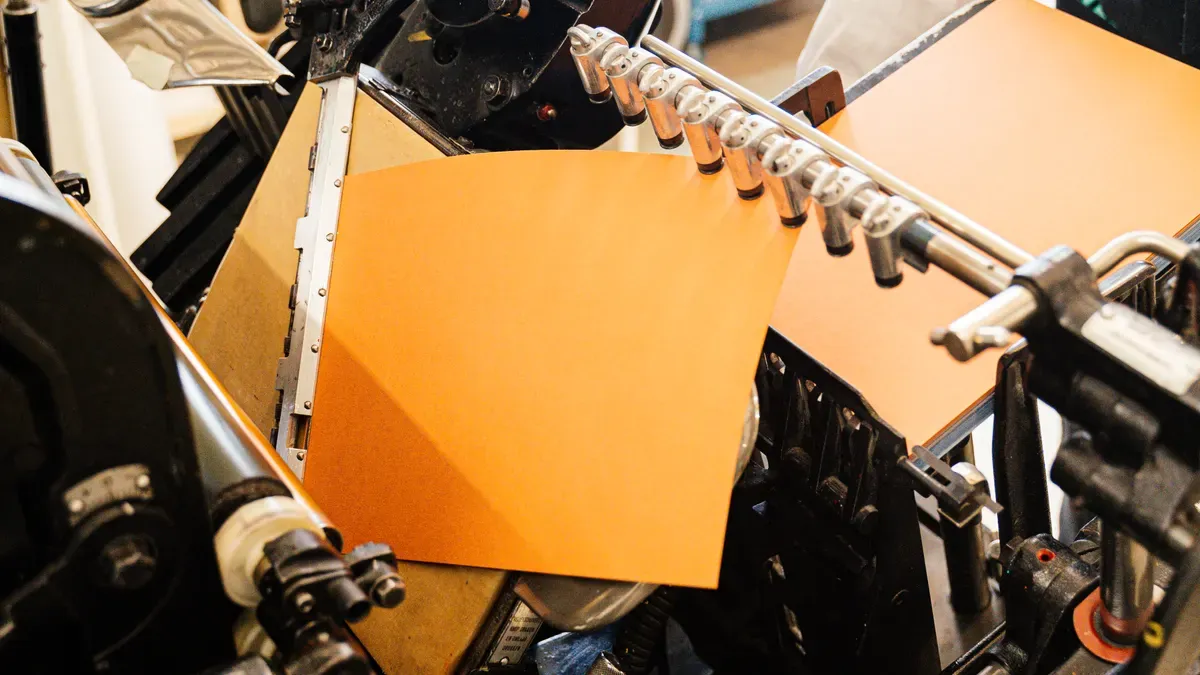
When you pick a die cutting machine supplier, you should look at some main things. Reputation, product quality, machine features, technical support, price, delivery, and after-sales service are all important. You need to make sure what the supplier offers fits your production needs. Think about the type of die cutting machine, automation choices, and if it works with your materials.
Rotary die cutting machines will have 46.8% of the market in 2025. They are fast and work well for nonstop production.
Laser die cutting lets you be flexible and very exact. Many companies now use digital die cutting for small jobs and custom orders.
You will get helpful tips for checking each factor in the next parts.
Key TakeawaysFind out if the supplier is trusted and has experience. This helps you know they will help you for a long time.
Look at the product to see if it is strong and accurate. Make sure it works with your materials.
Ask if you can talk to someone before buying. Ask if they will teach you how to use the machine. This helps you pick the best machine for you.
Learn how much the machine costs and what comes with it. Check if you get a warranty and help after you buy it.
Think about how long delivery will take. Make sure you plan so your work does not get delayed.
You should learn about the supplier before you choose them. A good supplier is not just about low prices or fast shipping. They need to know a lot about making dies. Many buyers use a careful check to pick suppliers. This check is more than just looking at the basics. It helps you find a partner for a long time, not just for one order.
Look at the supplier’s past and ask about their die cutting experience.
Make sure their checks include technical skills and knowledge.
Pick suppliers who want to work with you for many years.
Reviews and references can tell you a lot. Good sources are industry certificates and what customers say. When you look at these, you learn how the supplier works and helps others.
Look for certificates like ISO 9001 or AS9100. These show they care about quality.
Ask about how they make things and if they deliver on time.
Find out how they talk to customers and help them.
See if they have worked with materials like engineering plastics or aluminum alloys.
Tip: Always ask for references from other companies that use their die cutting machines. This helps you understand their real-world performance.
Experience in the industry is very important. Suppliers with many years in business know more and have better ways to work. The table below shows how being in business longer can help:
|
Years in Operation |
Impact on Reliability |
|---|---|
|
Longer History |
Shows they are stable and have learned a lot. This means they have good ways to work and can keep helping you for a long time. |
Suppliers with lots of experience give you more help:
They use machines that are checked and workers who are trained. This keeps the work very good.
They have many kinds of dies and presses. They can fix many problems.
They buy new machines, so you get the newest die cutting technology without paying more.
You should always ask how long they have been in business. Ask how they check for quality and how they solve new problems. This helps you pick a die cutting machine supplier who will help you now and later.
Product Quality & Machine Features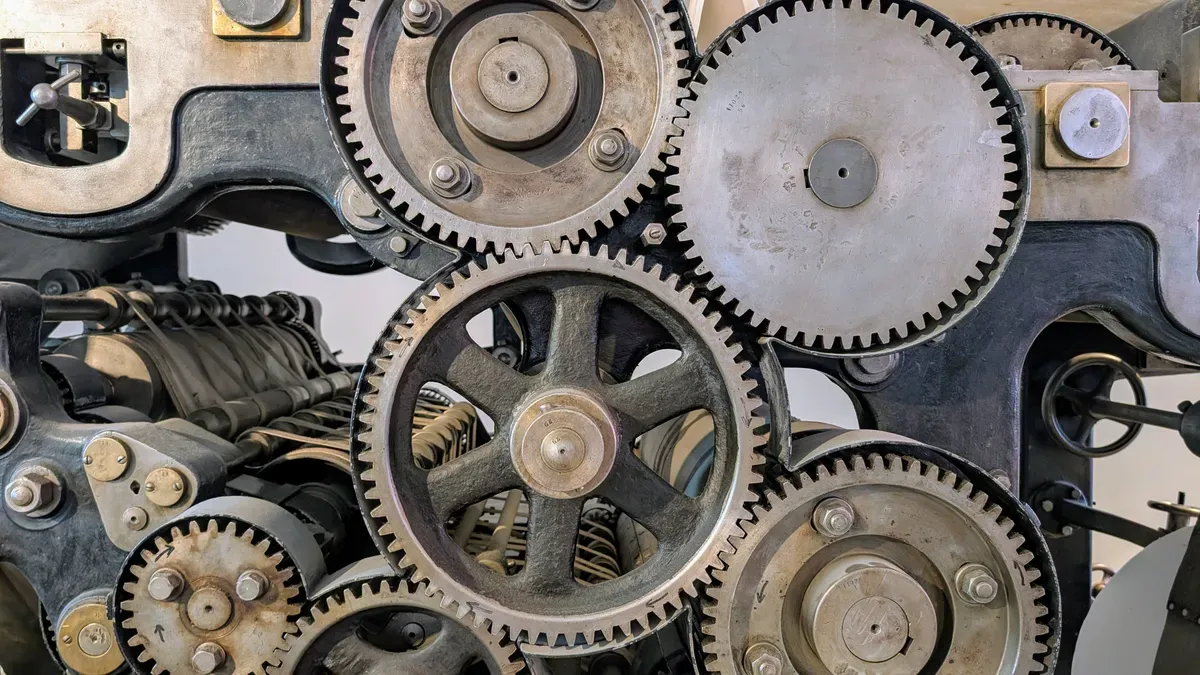
You want your die cutting machine to last a long time. It should cut things very accurately. Machines with strong frames work better. Advanced controls help you get good results. They keep the cutting depth the same each time. Look for features like pressure delivery systems and digital controls. These features help you avoid mistakes and waste. The table below shows what to check for durability and precision:
|
Measurable Standard |
Description |
|---|---|
|
Pressure Delivery Systems |
Keeps cuts even and avoids partial cuts. |
|
Digital Control Interfaces |
Lets you set pressure and speed for exact results. |
|
Registration Systems |
Makes sure materials line up right every time. |
|
Structural Rigidity |
Stops the machine from bending during use. |
|
Automated Monitoring |
Alerts you to problems before they get big. |
|
Temperature Management |
Keeps the machine cool for accurate cuts. |
You need to pick the right machine for your job. Laser die cutting and rotary die cutting are good for different needs. Laser die cutting gives you flexibility and sharp details. Rotary die cutting is good for big jobs and fast work. The table below compares them:
|
Feature |
Laser Die Cutting |
Rotary Die Cutting |
|---|---|---|
|
Difficult to cut materials |
No |
Yes |
|
Big runs |
No |
Yes |
|
Less upfront costs |
No |
Yes |
|
Speeds |
Slower |
Faster |
Laser die cutting is best for fine details and easy changes. Rotary die cutting is best for speed and lower costs for large orders.
Easy-to-use machines help you work faster. Good die cutting machines have software with simple menus and pictures. You can pick designs from a library or make your own. You do not need to make metal dies for every new shape. This saves you money and time. You can also import designs right into the machine. This makes customization easy and lets you try new ideas without waiting.
You must check if the machine works with all the materials used in die cutting. Some machines handle paper, plastic, or metal. Others work best with only one type. You should ask the supplier about the types of die cuts and what materials the machine can cut. This helps you keep quality high and avoid problems later.
Technical Support & ServiceYou need good help before you buy a die cutting machine. Good suppliers talk with you before you buy. This helps you pick the right machine for your work. You can ask questions about rotary die cutting or laser die cutting. The supplier might come to your factory or look at your production line. This helps you see if rotary die cutting is better for big jobs. It also helps you see if laser die cutting is better for detailed work. The table below shows how pre-sales services can help you:
|
Service Type |
Description |
|---|---|
|
Pre-Sales |
Talks, factory checks, and matching machines to your needs. |
|
After-Sales |
Help with setup, teaching, fixing, and spare parts after you buy. |
|
Risk Mitigation |
Makes buying easier and lowers your risk. |
Tip: Ask the supplier to check your materials and what you want to make. This helps you get the best die cutting machine for your business.
You want your team to use the die cutting machine safely and well. Suppliers should teach you and set up the machine. This is for both rotary die cutting and laser die cutting machines. Training shows you how to set up, care for tools, and stay safe. You can get help in person or online. The table below lists training and setup services you might get:
|
Service Type |
Description |
|---|---|
|
Comprehensive Die-Cutting Training |
Training at your place or online about tool setup and care. |
|
Expert Die-Cutting Troubleshooting |
Help with problems and fixing machine issues. |
|
Ongoing Support |
Services like sharpening, fixing dies, and making changes as needed. |
Note: Good training helps you keep your work good and avoid mistakes in rotary die cutting or laser die cutting.
You need help after you get your machine. Ongoing support means you get answers fast when you need them. Suppliers should give you spare parts, repairs, and advice. This keeps your die cutting machine working well. You can ask for help with rotary die cutting problems. You can also learn new ways to use laser die cutting. Good support keeps your machine running and your work high quality.
Pricing, Delivery & Value
You want to get the most for your money. Prices are different because of technology, materials, and how machines are made. Simple machines cost less. Machines with more features cost more. Service after you buy and warranty can change the total price. Cheap machines can break a lot and cost more later. Many people care about automation, good quality, and if the supplier is reliable. The table below shows how features and reputation change price and what buyers care about:
|
Feature/Aspect |
Price Range |
Percentage of Buyers Concerned |
|---|---|---|
|
Automation Features |
$15,000 to $50,000 |
62% |
|
Quality and Durability |
Varies widely |
78% |
|
Supply Chain Reliability |
N/A |
70% |
|
Issues with Durability |
N/A |
30% |
Tip: Ask the die cutting machine supplier for a full price list. Check if the price has support, warranty, and training.
You need to know what comes with your machine. Many suppliers give turnkey solutions. These can have on-site installation, operator training, and long service contracts. You get help setting up rotary die cutting or laser die cutting machines. You also learn how to use them for different die cuts and custom jobs. This support helps you keep quality high and stop problems.
On-site installation
Operator training
Long-term service contracts
Note: Always ask what is in the package. This helps you compare offers and not pay extra.
Delivery time is important for your work schedule. You need to know how long it takes from order to setup. There are many steps like order processing, getting parts, building, testing, shipping, and installing. The table below shows how long each step takes:
|
Phase |
Duration |
|---|---|
|
Order Processing |
1-2 weeks |
|
Component Procurement |
3-8 weeks |
|
Machine Assembly |
4-6 weeks |
|
Testing and Quality Assurance |
2-3 weeks |
|
Shipping and Logistics |
2-6 weeks |
|
Installation |
1-2 weeks |
You should ask the supplier these questions:
How long does each step take?
Who does shipping and setup?
What happens if there are delays?
Good planning helps you start rotary die cutting or laser die cutting on time. It also keeps your business running well.
After-Sales Support & WarrantyAlways check the warranty before you buy a die cutting machine. A good warranty keeps your money safe. It pays for parts and repairs for a certain time. Suppliers have different warranty plans. Some only pay for basic parts. Others pay for labor and travel to fix your machine. Ask what the warranty covers and how long it lasts. This helps you not pay extra if something breaks. A strong warranty means the supplier trusts their machines.
You want your die cutting machine to work every day. Getting spare parts fast is important. Suppliers with parts in stock help you fix things quickly. Ask if the supplier has a list of common parts. Good suppliers also give maintenance services. These services include regular checks and fixing problems fast. Regular maintenance keeps your machine running well. It also helps you keep your work high quality. You can ask for a schedule for these services. This helps you plan and not stop production for long.
Tip: Pick a supplier who gives both spare parts and maintenance. This keeps your laser die cutting or rotary die cutting machine working its best.
You need help when your machine has problems. Good customer support is very important. Many suppliers let you contact them any time. You can get help by phone, email, or online chat. Some suppliers send technicians to your place. Others help you fix things from far away. Training programs teach your team how to use and care for the machine. This support helps you fix problems fast and keep your die cutting line working. You can trust suppliers who give ongoing technical help and quick answers.
Good customer support for fixing problems
Training for safe and easy machine use
Maintenance and emergency repair help
Remote or on-site help from skilled technicians
Always ask about the support you get after you buy. Good after-sales service helps your laser die cutting and die cutting machines last for many years.
When you pick a die cutting machine supplier, think about what you need. Make sure the supplier’s strengths fit your work. Use a checklist to help you remember important things. Check the machine size, brand reputation, and safety features. Ask if they give training and help after you buy. Think about what materials you use and how much you make. Also, think about how your business might grow. Good relationships with your supplier can stop delays. This keeps your machines working well. If you do these things, you will get the right machine and support for now and later.
Size and space
Brand reputation
Key features and safety
Installation and training
After-sales support
FAQTip: Go over these points before you choose. This helps you pick the best supplier for your business.
Most die cutting machines can cut paper, plastic, metal, and fabric. Always check the machine’s details to see what it cuts best for your needs.
Rotary die cutting is good for fast jobs and big orders. Laser die cutting is better for detailed work and special shapes. Think about how big your job is and how much detail you need.
You get help before and after you buy your machine. Suppliers give training, set up the machine, and provide spare parts. They also offer technical help. Ask about the warranty and service to keep your machine working well.
Delivery and setup times are different for each order. You might wait a few weeks for parts, building, and shipping. Setting up the machine usually takes one or two weeks. Ask your supplier for a clear schedule.
You can often add new software or parts to your machine. Ask your supplier if upgrades are possible and if they will fit your future needs.
"4mmx2mm Disc Magnet" from S****** received 4 quotation(s)