Date: 2026.07.17 Click: 3
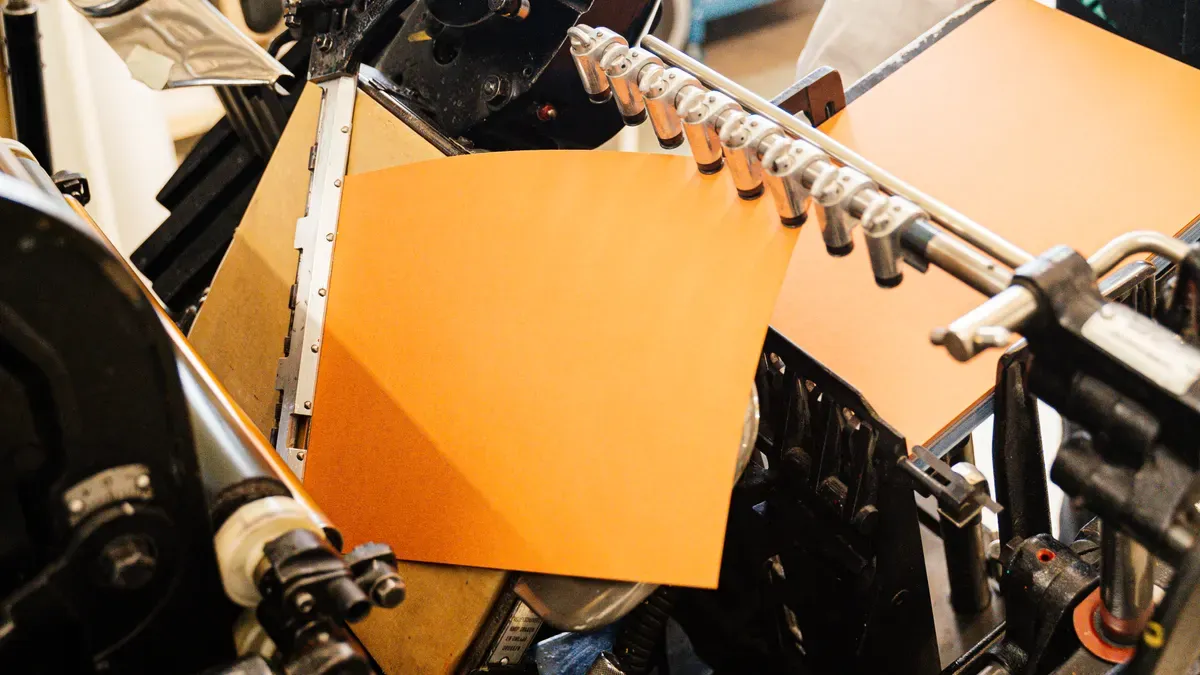
You use a creasing die cutting machine to cut shapes and make crease lines in things like cardboard. This machine helps you make neat folds and sharp edges. These are important for packaging and folding jobs. Automation in these machines helps people work faster. It speeds up the process and means less hard work for people. Sensors and automatic feeding help the machine handle materials the same way every time. The machine is also very accurate. Many companies use these machines now to work faster and save time.
Key TakeawaysA creasing die cutting machine can cut and crease things like cardboard. This makes it very important for packaging and folding jobs. This machine does the work by itself. It makes the job faster and more correct. This helps companies save time and pay less for workers. It is important to know the difference between creasing and scoring. Creasing stops cracks from happening in folds. Scoring can make the material weaker. You can pick a manual or automatic machine. Pick based on how much you need to make. Automatic machines can do more work and are very exact. Die cutting machines can work with many materials and shapes. This makes them great for special packaging needs.
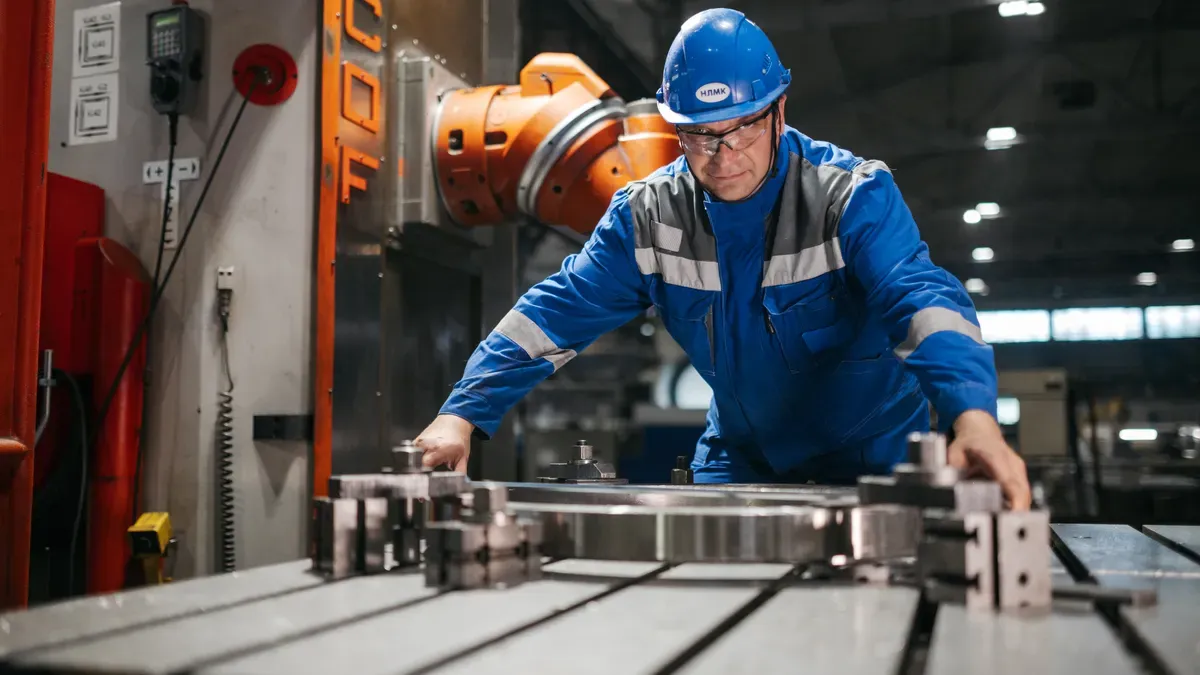
You can find a creasing die cutting machine in many factories and print shops. This machine helps turn flat sheets into things people use every day. It makes boxes, folders, and other items with sharp folds and neat edges. The machine works with cardboard, paper, and plastic. It can handle both easy and hard shapes. Many businesses use this machine for their daily jobs.
You can see creasing die cutting machines in places like:
Commercial printing shops
Packaging companies
Digital printing centers
Bindery shops
Special product makers
This machine is special because it does two jobs at the same time. You do not need two different tools for cutting and creasing. The machine saves you time and hard work. You get the same good results every time you use it. Many companies pick this machine because it is fast and accurate.
A die cutting and creasing machine cuts shapes and makes crease lines in one step. The machine uses smart mechanical parts to press down with the right force. Sharp steel rules cut the material into the shapes you want. Rounded rules press and squeeze the fibers to make fold lines. You can make boxes, folders, and other folded things quickly.
Here is how the main functions work:
Cutting: The die cutting and creasing machine uses sharp blades to cut through the material. You get smooth edges and the right shapes.
Creasing: The machine uses rounded rules to press into the material. You make fold lines that let you bend the material without breaking it.
You can see the difference between cutting and creasing by how the machine works with the material. Cutting splits the material apart, but creasing makes a line for folding. You can change flat sheets into 3D products easily. The machine’s two jobs are important for packaging and folding work. You get fast work and great results.
You can see that the die cutting machine is important for packaging. It helps you make boxes and containers that keep products safe. You can use the machine for many kinds of materials and shapes. The machine gives you choices and you can trust it to work well.
How Die Cutting and Creasing Machines Work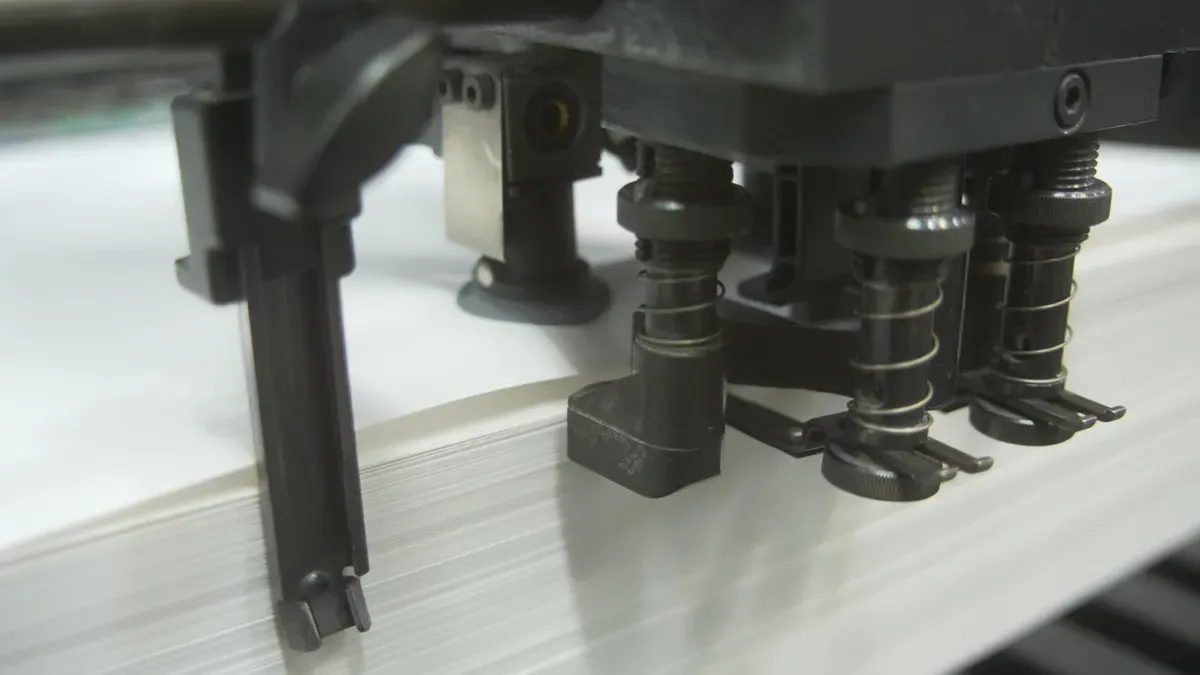
A die cutting and creasing machine makes fold lines in cardboard and paper. The process starts when you put sheets into the machine. You can feed the sheets by hand or let the machine do it. The feeder uses suction or a flyer to move each sheet. The machine lines up every sheet with front and side panels. This keeps the sheets in the right spot. The gripper system holds the sheet still. Rounded rules press into the material but do not cut it. These rules squeeze the fibers to make a fold line. You get a clean hinge for folding without cracks.
You can look at the table below for creasing standards. These rules help you get good results every time.
|
Specification Aspect |
Details |
|---|---|
|
Standard Name |
ISO/CD 19315 |
|
Application |
Flatbed die cutting on paper and paperboard |
|
Exclusions |
Not for rotary die cutting, laser cutting, label converting, non-paper-based products, or corrugated boards |
|
Focus |
Materials, cutting die, creasing, scoring, and process control |
|
Measurement Methods |
Specifications for finished die cutting products |
The die cutting and creasing machine follows strict rules. You get neat fold lines and strong hinges. This works well for digital prints and coated stock. You avoid cracks and keep your product looking nice.
The die cutting and creasing machine cuts shapes from flat sheets. The process starts after the sheet is lined up. The upper platen comes down with force. It pushes the sheet against the die. Sharp steel rules cut through the material. You get smooth edges and the shapes you want.
The machine uses punches in the upper die plate. These punches make exact cut-outs. The lower counter plate holds the sheet in place. You see clean edges because the die board and counter plate match up. The automatic feeder controls the speed and position of the sheet. Every cut is accurate, even for hard designs.
Here is a step-by-step workflow for the die cutting and creasing machine:
|
Step |
What Happens |
Key Component |
|---|---|---|
|
1. Sheet feeding |
Sheets are fed into the machine—manually or automatically |
Feeder (top suction, lead edge, or flyer) |
|
2. Registration |
Sheet is positioned against front and side panels for accurate alignment |
Front lay, side lay, gripper system |
|
3. Die cutting |
Upper platen descends with force, pressing sheet against die |
Platen, die, frame (H250 material) |
|
4. Stripping |
Waste material is separated from finished product |
Stripping pins, suction, ejection rubber |
|
5. Delivery |
Finished products are collected and stacked |
Delivery system, stacker |
The die cutting and creasing machine works in a clear order. You feed, line up, cut, strip, and collect. You get fast and accurate results. Electric parts help the machine run smoothly.
Tip: You can use the die cutting and creasing machine for many shapes and sizes. You get both flexibility and accuracy for packaging jobs.
It is important to know the difference between creasing and scoring. The die cutting and creasing machine uses creasing to press fibers together. This makes a hinge that folds without breaking. Scoring pushes the material to the side. You might see cracks, especially on thick coated stock.
Here is a table that shows the main differences:
|
Feature |
Creasing |
Scoring |
|---|---|---|
|
Material Impact |
Compresses paper fibers without cutting, preventing cracks in digital prints. |
Displaces material, which can weaken the surface on heavy coated stock. |
|
Final Product Quality |
Creates a clean hinge, essential for maintaining appearance in toner-based prints. |
May result in cracking on coated stock, affecting the final look. |
|
Best Use Cases |
Ideal for digitally printed sheets and coated stock over 80 lb cover. |
Suitable for lightweight uncoated stock and offset-printed materials. |
Creasing is best for digital prints and thick coated stock. It keeps the product strong and neat. Scoring works better for light, uncoated materials. You pick the right method for your job.
Types and Applications in PackagingNote: The die cutting and creasing machine lets you choose both options. You can pick the best process for your material and product quality.
You can pick manual or automatic die cutting and creasing machines. Manual machines are good for small jobs or making samples. You control how fast and hard they work by hand. These machines can do about 1,000 to 2,000 cycles each hour. If you need to make lots of boxes, use an automatic machine. Automatic machines can do 5,000 to 8,000 cycles every hour. They work faster and save you time. Automatic machines are also more exact, with registration as close as 0.1mm. You can trust them for tricky designs and big jobs.
There are two main types of die cutting and creasing machines for packaging:
Flatbed die-cutting machines: These have a fixed die and can cut many shapes and sizes.
Rotary die-cutting machines: These use a cylinder die and cut thick materials fast and well.
Automatic machines help you spend less on workers. They feed, cut, and strip materials with little help. You get the same good results every time.
A die cutting and creasing machine works with many materials. You can use it for cardboard, corrugated boxes, kraft boxes, and custom rigid boxes. Some machines also cut mylar bags, tin packaging, and cosmetic jars. You can make folding carton packaging for many products. The machine works with both thin and thick stuff. Thick materials need stronger blades and more force. Thin materials need sharp tools and gentle pressure. You can also use the machine for digital prints and electric-coated stock.
Here is a table that shows what materials you can use:
|
Material Type |
Description |
|---|---|
|
Paper & Cardboard |
From thin sheets to heavy corrugated boards |
|
Synthetic Materials |
Plastics and foams, both soft and rigid |
|
Metals |
Thin metal sheets and layered composites |
|
Fabrics |
Textile and fabric-backed materials |
|
Surface Finishes |
Raw, glossy, embossed, and laminated materials |
You will see die cutting and creasing machines in many packaging jobs. You can make folding cartons, corrugated boxes, and special displays. The machine also helps you make greeting cards, folders, and custom paper products. In packaging, you need boxes that fit products and look nice on shelves. The die cutting and creasing machine lets you do both.
|
Industry |
Applications |
|---|---|
|
Packaging |
Folding cartons, corrugated boxes, point-of-purchase displays, specialty packaging |
|
Printing |
Greeting cards, invitations, folder designs, decorative paper products |
|
Label Manufacturing |
Custom-shaped labels with precision edges |
|
Pharmaceutical |
Blister pack cards, medication packaging with tamper-evident features |
|
Bookbinding |
Cover production, special edition finishing |
|
Retail |
Unique promotional displays, personalized packaging |
|
Automotive |
Precision shapes for sleek packaging designs |
|
Electronics |
Custom packaging for electronic products |
You can use the die cutting and creasing machine for many shapes, sizes, and materials. This helps you meet different packaging needs and make special designs.
Benefits of Die Cutting MachinesA die cutting machine helps you work faster and better. You can finish more jobs in less time with this machine. For example, a packaging company made more boxes after getting a commercial die cutting machine. They moved two workers to other jobs because the machine did more work. New machines have automatic parts that help stop mistakes. You get good results every time, which is important when you are busy.
A die cutting machine can make work go up to 30% faster. This means you can finish big orders quickly and help customers sooner. Digital die cutting lets you start jobs faster and use less material. Laser cutters in these machines make sure every cut and crease is right. You see fewer mistakes and better work. Automatic machines use computers to keep every cut the same, even for thousands of boxes. This means you get less waste and fewer problems.
Tip: Automated die cutting machines help you make fewer mistakes and better products, so your packaging always looks good.
A die cutting machine works for many kinds of packaging. The machine can cut different materials and shapes. You can use it for cardboard, plastic, or thin metal sheets. The machine uses sharp dies made for each box shape. You can change dies fast to make new shapes or sizes. This helps you do small custom jobs or big orders for large companies.
New machines let you change pressure and feeding speed. You can use thick or thin materials without problems. Some machines have sensors that check for mistakes while you work. This keeps your products strong and the same every time. You can also use earth-friendly materials, which helps cut down on waste and is good for the planet.
|
Feature |
Benefit |
|---|---|
|
Quick die changes |
Fast setup for new designs |
|
Adjustable pressure |
Works with many material types |
|
Quality control sensors |
Fewer defects and higher product quality |
|
Handles small and large runs |
Fits all business sizes |
|
Supports eco-friendly options |
Reduces waste and helps the environment |
You can count on a die cutting machine to give you neat cuts, strong folds, and lots of choices for any packaging job.
You use a creasing die cutting machine to cut and crease packaging. It works fast and makes shapes with good accuracy. These machines are special because they have smart features. They let you make custom designs and use earth-friendly materials. When experts pick a machine, they check how fast it works. They also look at what kinds of materials it can handle. Safety is important too, so they check for safe controls and smart systems:
|
Factor |
What to Check |
|---|---|
|
Production Speed |
How fast the machine works |
|
Material Handling |
Types and thickness it can process |
|
Automation Features |
Controls and smart systems |
You can count on these machines to make your packaging better. They help you keep up with new trends in automation and being green.
FAQA creasing die cutting machine makes fold lines and cuts shapes. This helps you build strong cartons and neat boxes. You can also make custom packaging with it. The machine helps you work faster and get better results.
Creasing lets you fold things without cracks. Your cartons and boxes have smooth edges. This makes your packaging look nice and professional. It also keeps your products safe when shipping or storing them.
A digital die cutter works for many jobs. It is good for small orders and custom designs. For big jobs, you might need a traditional die cutting tool. You pick the machine that fits your job best.
Die cutting tools work with paper, cardboard, plastic, and thin metal. You can make folding cartons, boxes, and special shapes. This gives you more options for your packaging work.
You can work faster by using automatic feeding and sensors. Fast setup helps you finish more jobs quickly. These machines also help you make fewer mistakes and waste less material.
Tip: Always check your machine settings before you start. This helps you get the best results every time.
"4mmx2mm Disc Magnet" from S****** received 4 quotation(s)