Date: 2026.05.26 Click: 15
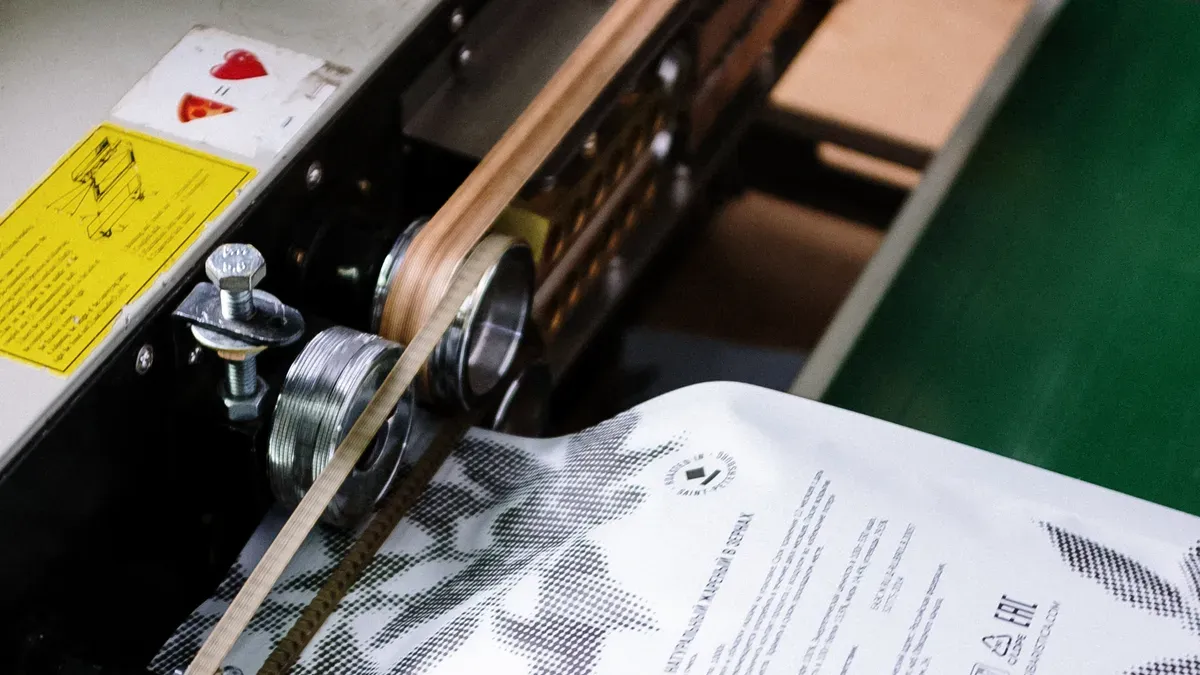
A paper shopping bag machine makes shopping bags from paper fast and well. Automation does every step, like feeding paper and making the bags. The machine gives you good results and works for many bag designs. The world market for these machines grows fast because people pick paper bags instead of plastic. You see this change for a few reasons:
The market was $6.43 billion in 2025 and could be $8.86 billion by 2030.
More shoppers and stores want eco-friendly packaging.
Retail and grocery stores grow and need more bags.
Paper shopping bag machines do all the work by themselves. This saves time and stops mistakes from happening. There are many kinds of machines for different jobs. Some machines are fully automatic, and some are semi-automatic. Quality control is very important. Workers check the bags often to make sure they are good. This keeps customers happy. Automation helps machines work faster. They can make 60 to 200 bags every minute. This helps companies fill big orders. Picking the right machine for the bag type and how many bags you need can save a lot of money over time.
A paper shopping bag machine helps make bags fast and easy. It does all the steps by itself. You start by putting a paper roll in the machine. The machine shapes the paper, cuts it, folds it, and glues it to make a bag. The process keeps going without stopping. This saves time and lowers mistakes.
Tip: Automation means you do not need to do each step yourself. The machine handles everything, from feeding the paper to finishing the bag.
A fully automatic paper bag machine keeps production steady and efficient. You can trust it to give you the same results every time. The machine combines feeding, forming, gluing, cutting, and counting. You get finished bags ready for packing or shipping.
Here are the main parts and what they do:
Feed the paper roll into the machine
Shape the paper
Cut the paper
Fold the paper
Glue the paper to make a bag
A fully automated paper bag machine turns kraft paper rolls into shopping bags in one process. Automation makes the work faster and improves the quality.
There are many kinds of paper bag machines. Each kind fits different jobs and uses. The types include fully automatic, semi-automatic, square bottom, handle paper bag, satchel bottom, heat-sealed, glued, multi-station, and CNC servo machines.
|
Type of Machine |
Features |
Applications |
|---|---|---|
|
Fully Automatic |
Fast, highly automated (60-200 bags/min) |
Large-scale production, shopping bags, food packaging |
|
Semi-Automatic |
Some manual steps, moderate speed |
Small batch, custom bags |
|
Square Bottom |
Self-standing, strong load-bearing |
Food-grade, handle bags |
|
Handle Paper Bag |
Installs handles automatically |
Shopping, promotional bags |
|
Satchel Bottom |
Flat bags, high efficiency |
Food, fast food, eco-friendly bags |
|
Heat-Sealed |
Strong sealing, moisture-proof |
Food, medical packaging |
|
Glued |
Low cost, eco-friendly |
Standard shopping bags |
|
Multi-Station |
Multiple processes integrated |
Large manufacturers |
|
CNC Servo |
Complex designs, quick adjustments |
Custom designs |
Paper bag machines are used in many industries. You see them in food, grocery, restaurants, bakeries, retail stores, pharmacies, and factories. For example, bakeries pack bread, grocery stores pack fruits, and pharmacies pack medicines. Retail stores use paper shopping bag machines for their own packaging.
You pick the right machine based on how many bags you need and what kind of bag you want. A fully automated paper bag machine helps you meet big orders and keeps every bag high quality.
Working Process of Paper Bag Machine
You begin by putting a big paper roll on the machine. The machine pulls the paper in with steady tension. This keeps the paper flat and smooth. Sensors and controls help the machine feed the paper right. High-speed machines use special features to guide the paper:
Automatic web guiding system
Double photoelectric switch
Automatic roll loading
Tension control
Sensor-based alignment mechanism
Automatic edge control system
Two photoelectric sensors
Automatic feeding unit
Sensors and guides for alignment
These controls stop the paper from getting crooked or wasted. Fully automatic machines need little manual work. You get steady feeding every time.
Next, the machine cuts and shapes the paper. Blades and rollers move the paper and cut it to size. The machine folds the paper into a tube shape. This makes the main part of the bag. Mechanical arms and shaped blades help make different bag types. You can make square bottom bags, flat bottom bags, or custom shapes. The machine keeps the cuts sharp and shapes neat. Automation makes sure every bag looks the same.
Note: You can change the machine settings to make different bag sizes or shapes. This helps you meet different customer needs.
The folding and gluing units work together to make the bag strong. The machine folds the paper in special ways. It puts glue on the seams and edges. This step keeps the bag safe and strong. You can pick different adhesives for gluing. Here is a table showing common types:
|
Adhesive Type |
Performance |
Environmental Profile |
Best Use Case |
Key Limitations |
|---|---|---|---|---|
|
Hot-Melt |
Rapid curing, strong initial tack |
Petroleum-based, limited recyclability |
High-volume manufacturing, grocery, mass retail |
Can become brittle in cold climates |
|
PVA (Cold Glue) |
High shear strength, durable bond |
Water-based, lower VOC emissions |
Retail, premium bags, clean seam finish |
Slower throughput, humidity-sensitive |
|
Starch-Based |
Biodegradable, moderate bonding strength |
Plant-derived, fully compostable |
Eco-focused brands, low-humidity environments |
Loses bond in high moisture or heavy load |
You choose the glue based on what you need. Fully automatic machines put glue fast and evenly. Rollers press the paper to make the folds strong. You get neat folds and tight seams.
Handles help you carry the bags easily. The machine can add handles while making the bag. Many units work together:
|
Component |
Description |
|---|---|
|
Handle Making Unit |
Produces flat handles from paper rolls |
|
Twisted Handle Unit |
Combines bag making with twisted handle production |
|
Handle Delivery Unit |
Delivers handles to the bag assembly area |
|
Handle Pasting Unit |
Attaches handles to the paper bags |
|
Paper Side Gluing |
Glues the sides of the paper bag |
|
Paper Tube Forming Unit |
Forms the paper into a tube shape |
|
Paper Tube Cutting Unit |
Cuts the formed tube to the desired length |
|
Paper Bag Folding |
Folds the paper bag into its final shape |
|
Bottom Sealing |
Seals the bottom of the bag for durability |
|
Bag Delivery |
Finalizes the process by delivering the completed bags |
You can pick different handle types for your bags:
|
Handle Type |
Description |
|---|---|
|
Satin Ribbon Handles |
Smooth and shiny ribbon, good for fancy gift bags and luxury products |
|
Twisted Paper Handles |
Strong and eco-friendly, made from twisted paper strips, used for grocery and takeaway bags |
|
Die-Cut Handles |
Custom-cut for special shapes, good for light products, modern look |
|
Flat Paper Handles |
Folded paper strips, strong and cheap, common in store bags |
Fully automatic machines attach handles fast and neatly. You get bags ready for stores, food, or custom uses.
The finishing step ends the bag-making process. The machine stacks and delivers the finished bags. Quality control checks each bag for problems. Inspections happen often during production. Quality checks make sure every bag is good. Fixing small mistakes is important. You want customers to get perfect bags.
Regular inspections during production
Quality checks for each bag
Fixing small imperfections to prevent dissatisfaction
Fully automatic machines keep the defect rate low. The defect rate is less than 0.5% for every 1,000 bags made. Automation and sensors help keep quality steady. You get good results every time.
Tip: Quality control is very important in making paper bags. It protects your brand and keeps your customers happy.
The process in a paper shopping bag machine includes unwinding, feeding, cutting, folding, gluing, handle making, and finishing. Automation happens at every step. You can make many bag types with high-speed machines. Fully automatic machines give you speed and quality.
Features & BenefitsA paper bag machine with automation helps you make more bags fast. This technology lets you finish more work in less time. For example, the RKHF-550F can make up to 200 bags each minute. You do not need many workers, so you spend less on labor. A fully automatic paper bag machine does every step, from start to end. This gives you high efficiency and saves money over time. If you have a small budget, picking the right machine helps you balance speed and cost.
|
Type of Machine |
Key Features |
|---|---|
|
Highly automated, fast production speed (60-200 bags/min), integrates multiple functions. |
|
|
Semi-automatic paper bag machine |
Some manual operation required, moderate production speed (20-50 bags/min), suitable for small to medium manufacturers. |
|
Multi-station paper bag machine |
Integrates multiple processes for fully automated production, improves efficiency for large manufacturers. |
|
CNC servo paper bag machine |
High-precision servo motors, supports complex designs and quick parameter adjustments. |
Tip: Fully automatic machines need little help from people. You can focus on other jobs while the machine works.
A paper bag machine can make many kinds of bags. This helps you meet different needs and stay on budget. Machines can make bags in many sizes and styles, from small to big. You can change formats quickly, which helps your business stay strong.
|
Bag Type |
Description |
|---|---|
|
Square Bottom Bags |
Sturdy bags suitable for groceries. |
|
Handle Bags |
Bags with handles for easy carrying. |
|
Satchel Bottom Bags |
Versatile bags with a unique bottom design. |
|
Specialized Types |
Includes various configurations for specific needs. |
The paper bag-making process lets you make bags with different lengths, widths, and gusset depths. This means you can help many industries, like retail and food service.
You want every bag to look and work the same way. A paper shopping bag machine uses careful cutting, gluing, and checks to keep quality high. The process looks for weak seams and bad glue, so customers do not complain. You can trust each bag meets your standards, even when making many bags.
Careful cutting makes sure bags are the right size.
Automated gluing gives strong seams and handles.
Real-time checks let you fix problems fast.
If you set clear rules and check bags often, you will see fewer mistakes. This keeps your brand safe and your customers happy.
You can see that a paper shopping bag machine does many steps. It unwinds, cuts, folds, glues, makes handles, and finishes the bags. Automation helps the machine work faster and keeps the bags good quality. A fully automatic paper bag machine makes bags quicker and with fewer mistakes than people do. You can plan your spending and save money over time. The table below shows how you can save costs:
|
Cost Factor |
Benefit |
|---|---|
|
Total Cost of Ownership |
Lower over five years |
|
Scalability Pricing |
Bulk orders save 10–15% |
|
Energy Consumption |
Models use ≤ 2.5 kW/hour |
This process can help your business get bigger and do well.
FAQYou can expect most machines to make 60 to 200 bags every minute. The speed depends on the model and bag size. High-speed models help you finish big orders quickly.
You can use kraft paper, art paper, and recycled paper. Each type gives your bags a different look and strength. Choose the paper that fits your needs best.
You do not need advanced skills. Most machines have easy controls and clear instructions. You can learn to operate them with basic training.
Yes! Many machines let you add custom prints or logos. You can use built-in printing units or print the paper before feeding it into the machine.
Clean the machine often.
Check moving parts for wear.
Use the right glue and paper.
Follow the maintenance schedule in the manual.
"4mmx2mm Disc Magnet" from S****** received 4 quotation(s)