Date: 2026.04.24 Click: 174
You use a computerized bag making machine for precise sewing. It has advanced features. This machine uses digital controls for each sewing step. You can pick stitch patterns. You can change tension. You can even program your own designs. Non-computerized models let you control sewing by hand. You must guide every stitch yourself. If you sew bags for fun, a simple sewing machine is fine. It is also good if you are just learning. For lots of sewing or detailed work, a computerized bag making machine is better. It helps you finish faster. You should choose a sewing machine that fits your project. It should also match your skill level.
Key TakeawaysComputerized bag making machines are fast and very accurate. They are good for making many bags and hard designs. Non-computerized machines are good for people just starting out. They let you control every stitch by hand. Think about your money and what you want to make before picking a machine. Computerized machines cost more but have special features. Both types of machines need regular care. Clean them often so they last longer and work well. Look at the fabrics you want to use. You need strong machines for thick stuff like canvas and leather.
A computerized sewing machine for bagmaking has many advanced features. These features make your work much easier. The machine uses digital controls for every sewing step. You can program it to do different bagmaking jobs with great accuracy. Some features are automatic thread cutting and programmable stitch selection. It also has real-time error detection. These features are different from traditional models. Look at the table below to see the differences:
|
Feature |
Description |
|---|---|
|
Precision |
High-accuracy sealing and cutting within millimeters. |
|
Efficiency |
High-speed operation reduces empty bag rates and saves materials. |
|
Labor Cost Reduction |
Low-maintenance design lowers labor costs for industrial bagmaking. |
|
Hygiene Standards |
304 stainless steel construction meets industrial hygiene needs. |
|
Intelligent Diagnostics |
Self-diagnostic fault detection reduces downtime in industrial settings. |
|
Flexibility |
Works with many packaging formats for heavy-duty bagmaking. |
These features help you work faster in factories or big shops.
A computerized sewing machine lets you control every stitch. You can pick from many stitch options. You can switch between straight, zigzag, or decorative stitches. This is good for different bagmaking projects. The machine keeps your stitches even and neat. This is important for strong bags. You do not have to worry about uneven seams or missed stitches. The machine changes tension and speed for each fabric. This helps you make strong and good bags every time.
Tip: Save your favorite stitch settings for jobs you do often.
A computerized sewing machine has special abilities for making bags in factories. Some machines use artificial intelligence to make sewing better. Automated pattern stitching lets you make hard designs easily. Special robotic systems can cut and put together heavy materials. This makes bagmaking faster and more exact. The table below shows some advanced features:
|
Feature |
Description |
|---|---|
|
AI Integration |
Uses artificial intelligence for smarter industrial sewing. |
|
Automated Pattern Stitching |
Handles complex stitch selection for creative bagmaking. |
|
Specialized Robotic Systems |
Cuts and assembles heavy-duty materials for industrial bagmaking. |
These features help you meet the needs of big bagmaking jobs. The computerized sewing machine helps you get great results with less hard work.
Non-Computerized Bag Making Machines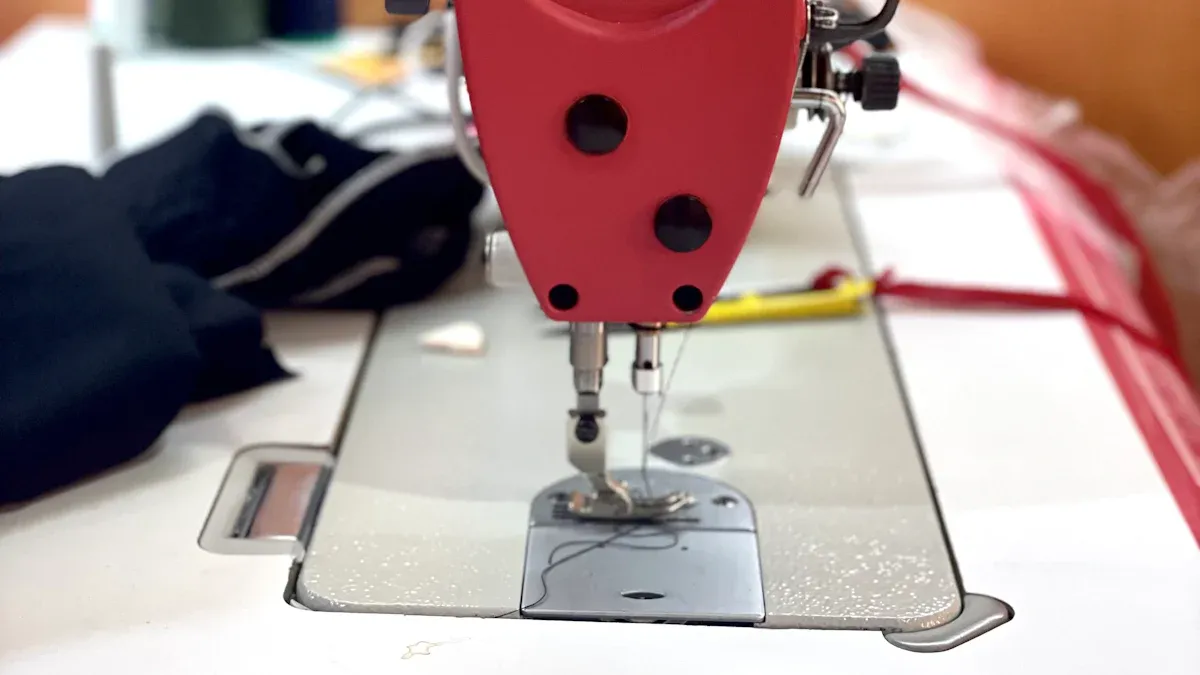
You pick a mechanical sewing machine for easy use. This machine lets you sew bags with simple controls. You turn dials to change settings. You press a foot pedal to make it go faster or slower. You pick stitches by moving levers. You use knobs to change the tension. There are no digital screens or software. You learn sewing basics with this machine. You see how each part works. You get better at sewing with every project.
Here is a table that shows how a mechanical sewing machine compares to a computerized model:
|
Feature |
Mechanical Sewing Machine |
Computerized Sewing Machine |
|---|---|---|
|
Price Range |
$100 – $400 |
$300 – $5000+ |
|
Stitch Selection |
10-30 basic stitches |
50-1000+ stitches including alphabets |
|
Buttonholes |
Manual 4-step process |
Automatic 1-step buttonholes |
|
Needle Positioning |
Manual via handwheel |
Automatic with buttons |
|
Speed Control |
Analog foot pedal |
Digital speed control with slider |
|
Maintenance |
Simple cleaning/oiling |
More complex, may need software updates |
|
Durability |
Excellent (fewer electronics) |
Good (but sensitive to power surges) |
|
Learning Curve |
Steeper initially, teaches fundamentals |
Easier initially but can be overwhelming |
|
Repair Costs |
Lower (standard parts) |
Higher (specialized electronic parts) |
You use a heavy-duty sewing machine for thick fabrics. This machine can sew denim, canvas, and leather. You find these machines in factories and workshops. You use a mechanical sewing machine for hard jobs. These machines have strong motors and metal parts. You get even stitches on heavy materials. You can buy a heavy-duty sewing machine for home use. You use it for bags, furniture, or outdoor gear. You do not worry about software problems. You just sew and finish your work.
Tip: Clean your heavy-duty sewing machine often. This helps it last longer and work better.
You start with a mechanical sewing machine if you are new. You learn to thread needles and change tension. You pick stitches by hand. You get better with each project. There are no confusing menus or digital buttons. You use a heavy-duty sewing machine for simple, strong bags. You save money because these machines cost less. You can fix problems easily. You do not need special parts or updates.
Here is a table that shows why mechanical sewing machines are great for beginners:
|
Advantage |
Explanation |
|---|---|
|
Incredible Durability |
Fewer electronic parts mean the machine lasts a long time. Many old machines still work today. |
|
Simplicity for Beginners |
Manual controls help you learn sewing without confusion. |
|
Easy to Maintain |
Simple parts make cleaning and fixing easy and cheap. |
|
Affordability |
These machines work well and do not cost a lot. |
|
Power |
Heavy-duty machines can sew tough fabrics like denim or canvas. |
|
No Software Issues |
The machine works the same every time. You do not worry about updates. |
|
Better Tension Control |
You use dials to set tension. This helps you make perfect stitches. |
You use a mechanical sewing machine to learn and practice sewing. You pick a heavy-duty sewing machine for strong bags and tough fabrics. You choose a home heavy-duty sewing machine for your own projects. You can sew without any digital problems.
Comparison: Computerized vs Non-Computerized MachinesWhen you compare these machines, you see a big difference. Computerized bag making machines use digital controls for sewing. You can set them to work fast and sew bags neatly. These machines can finish hundreds of bags very quickly. Non-computerized machines need you to use your hands and feet. You must guide the fabric and control the speed yourself. You work slower and must watch every stitch.
Here is a table that shows how the two types compare:
|
Machine Type |
Average Speed (bags/minute) |
Efficiency Level |
Consistency |
Material Waste |
|---|---|---|---|---|
|
Computerized Bag Making |
300-800+ |
High |
Excellent |
Low |
|
Non-Computerized Bag Making |
10-30 |
Moderate |
Good |
Higher |
Computerized machines are much faster. You finish more bags in less time. The machine keeps every stitch even and neat. You waste less material because there are fewer mistakes.
Tip: If you want to make bags quickly, pick a computerized machine for the best heavy-duty sewing.
Manual labor means you sew and pack bags by hand. You can only pack about 10 items each minute. You must check for mistakes and fix them as you go. This leads to more errors and wasted materials. Automation changes everything. A computerized machine can handle 300 to 800+ packs each minute. The machine does most of the work for you. You see fewer mistakes and use less material.
Here are some points that show the differences:
Manual labor lets you pack fewer bags each minute. Automation helps you work faster and finish more bags.
Manual labor causes more material waste. Automation keeps quality high and reduces mistakes.
Sewing by hand means more rejected bags. Automated machines make fewer errors and keep stitches even.
Automation gives you better results. You spend less time fixing problems. You get more bags with strong seams and neat stitches. The best heavy-duty sewing machines help you with big jobs and thick fabrics.
Note: Automation saves you money and time. You get good results with less work.
You need the best heavy-duty sewing machines for making lots of bags. You want machines that are fast and strong. Computerized models have special features. You can program stitch patterns and change settings for each fabric. You get the same good results every time and finish big orders fast. Non-computerized heavy-duty machines are good for smaller jobs. You use them for simple bags and tough fabrics. You control the sewing and learn the basics.
Here is a list of features to look for in the best heavy-duty sewing machines:
Fast sewing speed for quick work.
Strong motors for tough jobs.
Programmable stitch choices for different bags.
Automatic thread cutting and error checks.
Metal parts that last a long time.
Pick computerized machines for big jobs. You get fast and steady results. Use non-computerized heavy-duty machines for small projects or learning. This comparison helps you choose the right machine for your needs.
Tip: If you want to sew bags for a business, buy the best heavy-duty sewing machines with computerized controls.
This comparison shows the differences in speed, efficiency, manual work, automation, and heavy-duty use. Use this information to help you pick the best machine for your sewing projects.
Pros and ConsA computerized bag making machine gives you many good things. These machines have special features that help you finish big jobs fast. You can pick from lots of stitch patterns. You can save your favorite settings for later. Your stitches look neat every time. You do not have to worry about mistakes. The machine finds errors and fixes them for you. You spend less time sewing and more time doing other things. The machine tells you when it needs cleaning or oiling, so you do not forget. You can use these machines for big projects and thick fabrics. You get great results without working too hard.
Tip: Save your best settings in the memory for heavy-duty bags.
There are some problems with computerized sewing machines. These machines cost more than simple ones. You need to learn how to use the digital controls. If the machine breaks, you might need special parts to fix it. Maintenance is harder because you check both the sewing parts and the computer. Power surges can hurt the machine. It can be hard to fix problems by yourself. You must keep the software up to date. Sometimes you need a technician to help with repairs. This can slow down your big sewing projects.
Non-computerized sewing machines work well for tough jobs. You control every step of the sewing. You learn the basics and get better at sewing. You do not worry about software or digital problems. Maintenance is easy and cheap. You can clean and oil the machine by yourself. These machines last a long time because they have fewer electronic parts. You can use them for many years. You can sew strong bags and other tough things with confidence.
|
Advantage |
Benefit for You |
|---|---|
|
Easy cleaning and oiling for long-lasting use |
|
|
Durability |
Machines last for many years |
|
Heavy-Duty Power |
Handles thick fabrics and tough sewing jobs |
Non-computerized sewing machines have some limits. You must sew everything by hand. You need to watch each stitch closely. You might make more mistakes. You spend more time on each big project. There are no automatic error checks. You must remember to clean and oil the machine often. You do not get as many stitch choices. Sewing hard designs can be tricky. You must change worn parts yourself. You need to adjust tension for every fabric. This can slow you down and make your bags less perfect.
Choosing Your MachineNote: Clean and oil your non-computerized sewing machine often to keep it working well for all your big projects.
You need to look at several important factors before you pick a bag making machine. Your budget is the first thing to check. You want a machine that fits your budget, but you also want good quality. A cheap machine may cost less at first, but it can break down often. You may spend more money fixing it. You should think about the total cost of ownership. This means you look at the price, the cost to run the machine, and how much you will spend on repairs.
You also need to think about waste reduction. Some machines waste fabric and thread during setup. This waste can lower your profit. Modern machines help you save materials and money. Energy use is another key point. Heavy-duty machines use a lot of power. You should check the energy rating before you buy. Maintenance is important too. If your machine breaks often, you lose time and money. You want a machine that is easy to fix and has good support from the maker.
You should also plan for a smooth setup. If you buy a new machine, you want to start using it right away. Good planning helps you avoid delays and get the most from your new machine.
Here is a table to help you compare these factors:
|
Factor |
Description |
|---|---|
|
Total Cost of Ownership |
Look at the price, running costs, and repair costs to see if the machine is a good investment. |
|
Waste Reduction |
Pick a machine that saves fabric and thread during setup and changeovers. |
|
Energy Consumption |
Check how much power the machine uses, especially for heavy-duty sewing. |
|
Maintenance |
Choose a machine that is easy to fix and has good support. |
|
Implementation |
Plan for a smooth setup so you can use your machine right away. |
Tip: Always ask about the warranty and support before you buy a new sewing machine.
You should match your machine to your needs. Think about how many bags you want to make each day. If you need to make a lot of bags, you should pick a computerized or fully automatic machine. These machines work fast and help you save on labor costs. If you only make a few bags or want more control, a non-computerized or semi-automatic machine is a good choice.
Here is a table to help you see which machine fits your production volume:
|
Machine Type |
Production Volume Suitability |
Key Benefits |
|---|---|---|
|
Fully Automatic |
High Volume |
Increases speed, lowers labor costs, boosts quality |
|
Semi-Automatic |
Small to Medium Runs |
Flexible, adapts to changes, easy for new projects |
You should also think about the type of bags you want to make. If you work with heavy-duty fabrics like canvas or leather, you need a machine with strong motors and high durability. For simple bags, a basic sewing machine is enough. If you want to add special designs or need many stitch options, a computerized machine gives you more choices.
Project complexity matters too. If your bags need special stitches or patterns, you need advanced features. If you want to keep things simple, a mechanical machine is easier to use and fix.
Here is a table that shows how project features affect your choice:
|
Feature |
Importance |
Impact on Selection |
|---|---|---|
|
Speed |
Helps you finish more bags, but you need accuracy for good quality. |
Pick a machine that is fast and keeps bags neat. |
|
Durability |
Keeps your machine working for years, even with heavy-duty sewing. |
Choose a strong machine for tough jobs and long use. |
|
User-friendliness |
Makes it easy to learn and use the machine. |
Pick a machine with simple controls if you are new to sewing. |
|
Scalability |
Lets you make more bags as your business grows. |
Choose a machine that can handle more work without big changes. |
Note: If you plan to grow your business, pick a machine that can handle more work in the future.
You should choose a computerized bag making machine if you want speed, high quality, and many features. These machines are best for large orders, complex designs, and heavy-duty sewing. You get even stitches and less waste. You also save time on setup and repairs. If your budget allows, a computerized machine gives you the best results for big jobs.
You should choose a non-computerized machine if you want to learn sewing or work on small projects. These machines cost less and are easy to fix. You get full control over every stitch. If you have a small budget or want to sew heavy-duty bags at home, a mechanical machine is a smart choice. You can use it for many years because of its durability.
Here is a quick guide to help you decide:
Pick a computerized machine if:
You need to make many bags every day.
You want high quality and even stitches.
You work with heavy-duty fabrics and need advanced features.
Your budget can cover a higher price for better results.
Pick a non-computerized machine if:
You are new to sewing and want to learn the basics.
You have a small budget and want a simple, strong machine.
You make bags for fun or in small batches.
You want easy repairs and long durability.
Tip: Always test the machine with your own materials before you buy. This helps you check the quality and see if it fits your needs.
You should always think about your budget, the quality you want, and the type of sewing you plan to do. The right machine will help you make strong, high-quality bags and grow your skills or business.
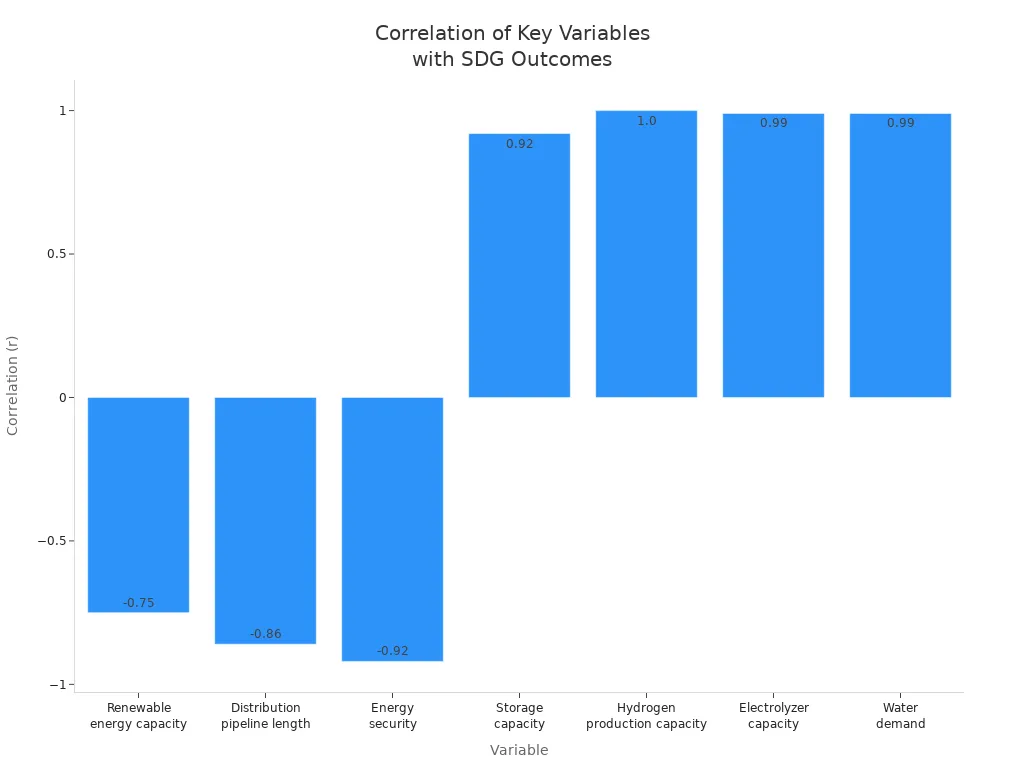
You can easily tell computerized and non-computerized bag making machines apart. Computerized machines are fast and very accurate. They also have lots of features. Non-computerized machines are simple and give you strong control. You should pick a machine that fits what you need and want to do. The table below shows how picking the right machine helps you make more bags and do better work.
|
Variable |
Correlation (r) |
Description |
|---|---|---|
|
Energy security |
-0.92 |
More energy security means lower costs |
|
Hydrogen production |
1.00 |
Making more hydrogen cuts down CO₂ |
You pick computerized machines when you need to make lots of bags. If you are just starting, you use non-computerized machines to learn and get better.
FAQComputerized machines use digital controls and do things automatically. Non-computerized machines need you to use manual controls. Computerized models help you work faster and make fewer mistakes. Non-computerized machines let you control everything by hand.
Beginners can use a computerized machine. The machine has simple features and helpful guides. You might need some practice to learn the controls. Many people think computerized models are good for learning new stitches.
You should pick an industrial sewing machine for heavy fabrics. These machines have strong motors and metal parts. They can sew thick materials like canvas or leather easily.
Computerized machines may need more care. They have electronic parts and software. Sometimes you need a technician to fix them. Non-computerized machines are easier to clean and repair at home.
You can find reviews on sewing forums, blogs, and online stores. These reviews tell you how the machines work and what users think. Always read a few reviews before you buy a machine.
"4mmx2mm Disc Magnet" from S****** received 4 quotation(s)